02 Nucleic Acids
Outline
- Nucleic acids have distinct structures
- Nucleic acids have many cellular functions
- The manipulation of nucleic acids has transformed biochemistry
Learning Objectives
- Analyze the structures of nucleic acids at the chemical level.
- Illustrate when and how nucleic acids function in replication of DNA, transcription of DNA into RNA, regulation of transcription, and translation of RNA into proteins.
- Describe how alterations to nucleic acids in the cell can facilitate biochemical studies.
Section 2.1 Learning Objective
Analyze the structures of nucleic acids at the chemical level.
Nucleotides and Nucleosides
Consist of three components
- nitrogenous base
- carbohydrate
- phosphate group
Nitrogenous Bases
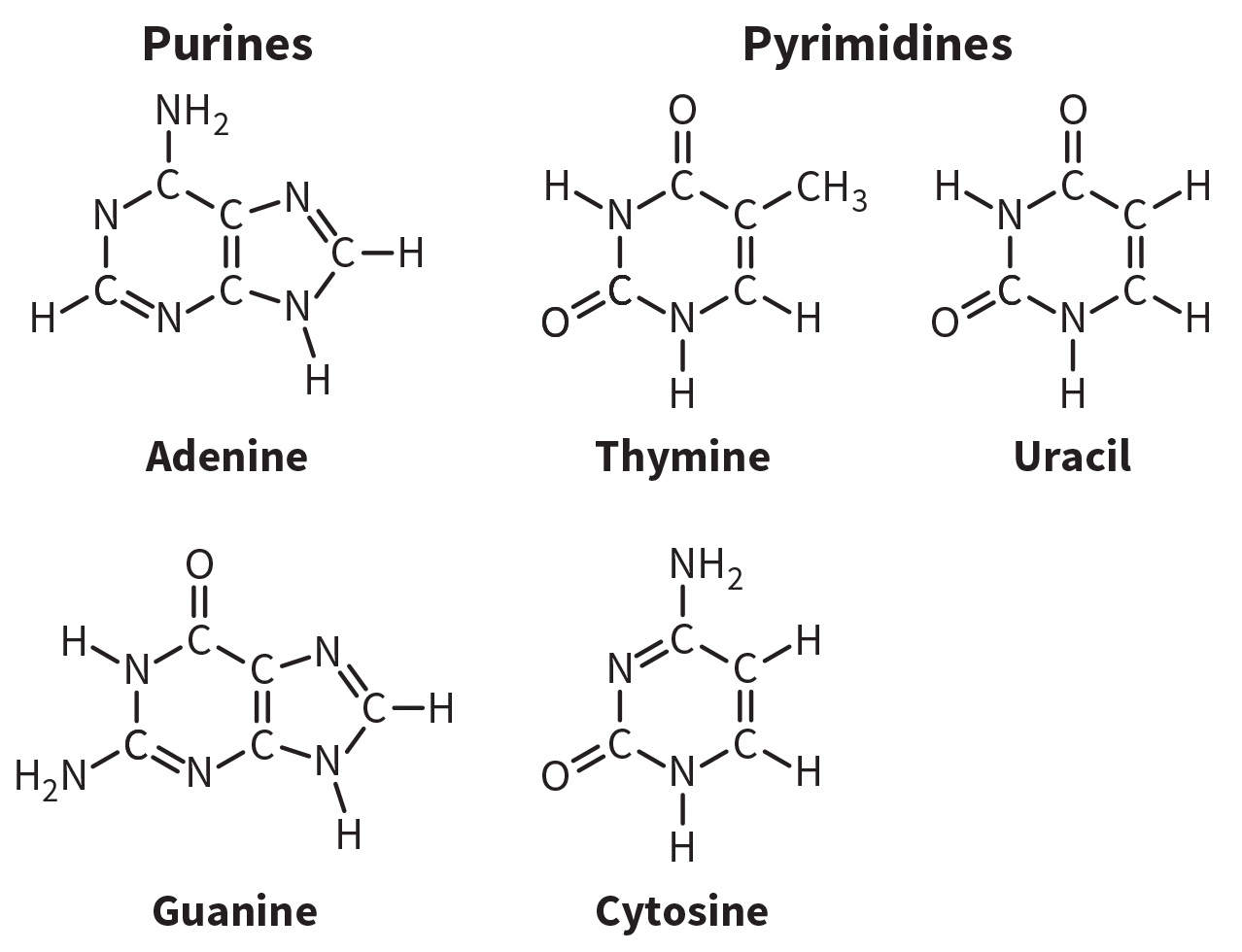
Figure 2.2 Nitrogenous bases.
Pyrimidines and Purines Defined
Pyrimidines are nitrogenous bases that contain one ring.
Purines are bicyclic nitrogenous bases that contain two rings.
Nucleotides and Nucleosides Defined
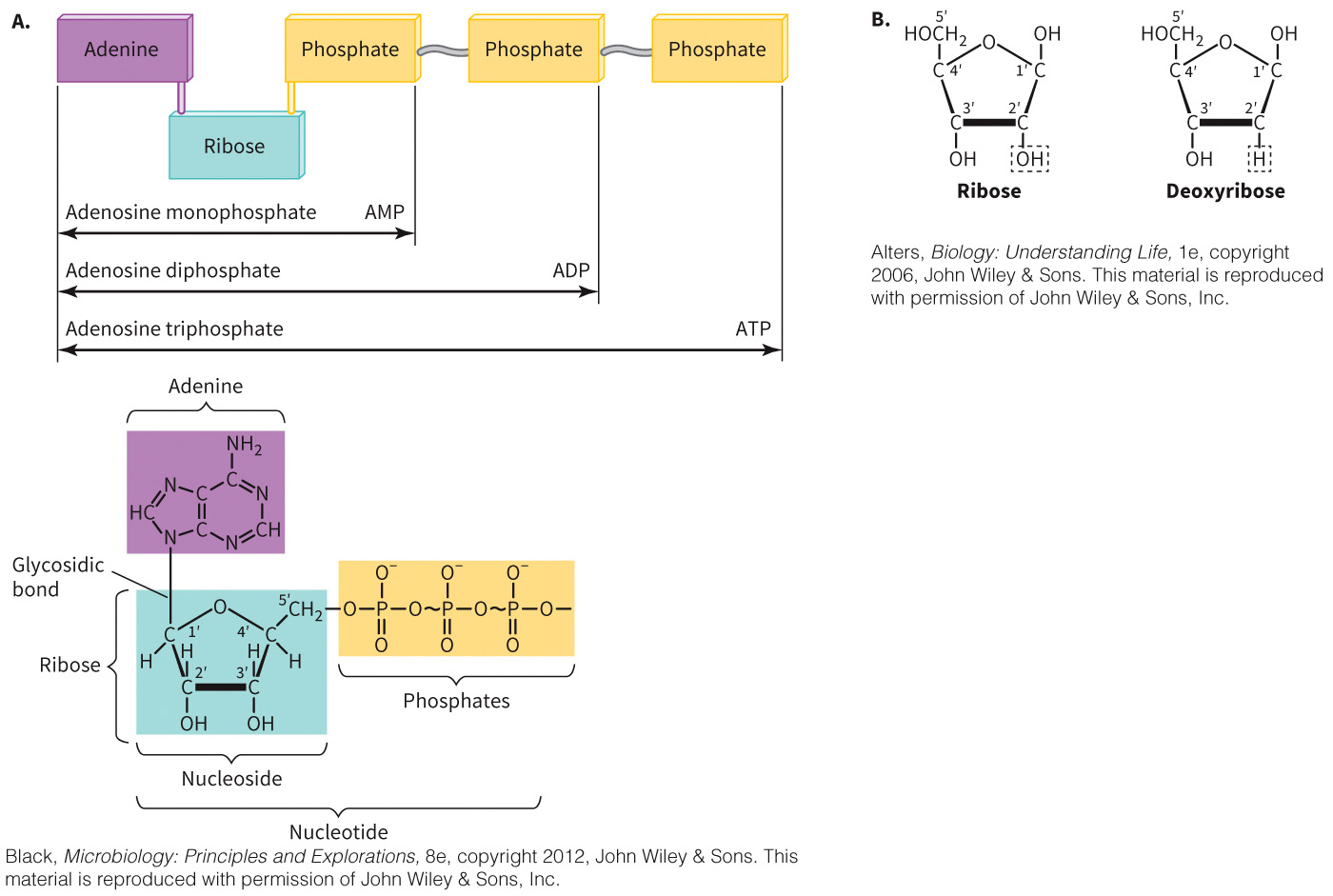
Nucleotides are biomolecules that contain a nitrogenous base, a ribose sugar, and a phosphate group.
Nucleosides are biomolecules that contain a nitrogenous base and a ribose sugar.
Deoxyribose is only used for DNA
Ribonucleosides contain ribose sugar
Names change depending on what base and sugar are attached. If a phosphate is included, the name changes as well.
The Structure of a Nucleotide
Figure 2.4 Nucleosides, ribose, and deoxyribose.
Negative charge associates with the phosphate groups.
DNA forms complexes with divalent cations.
Nucleic Acids Defined
Nucleic acids are polymers of nucleotides
They can stretch for hundreds of millions of monomers
Ribonucleotides polymerize to form RNA, whereas 2-deoxyribonucleotides polymerize to form DNA
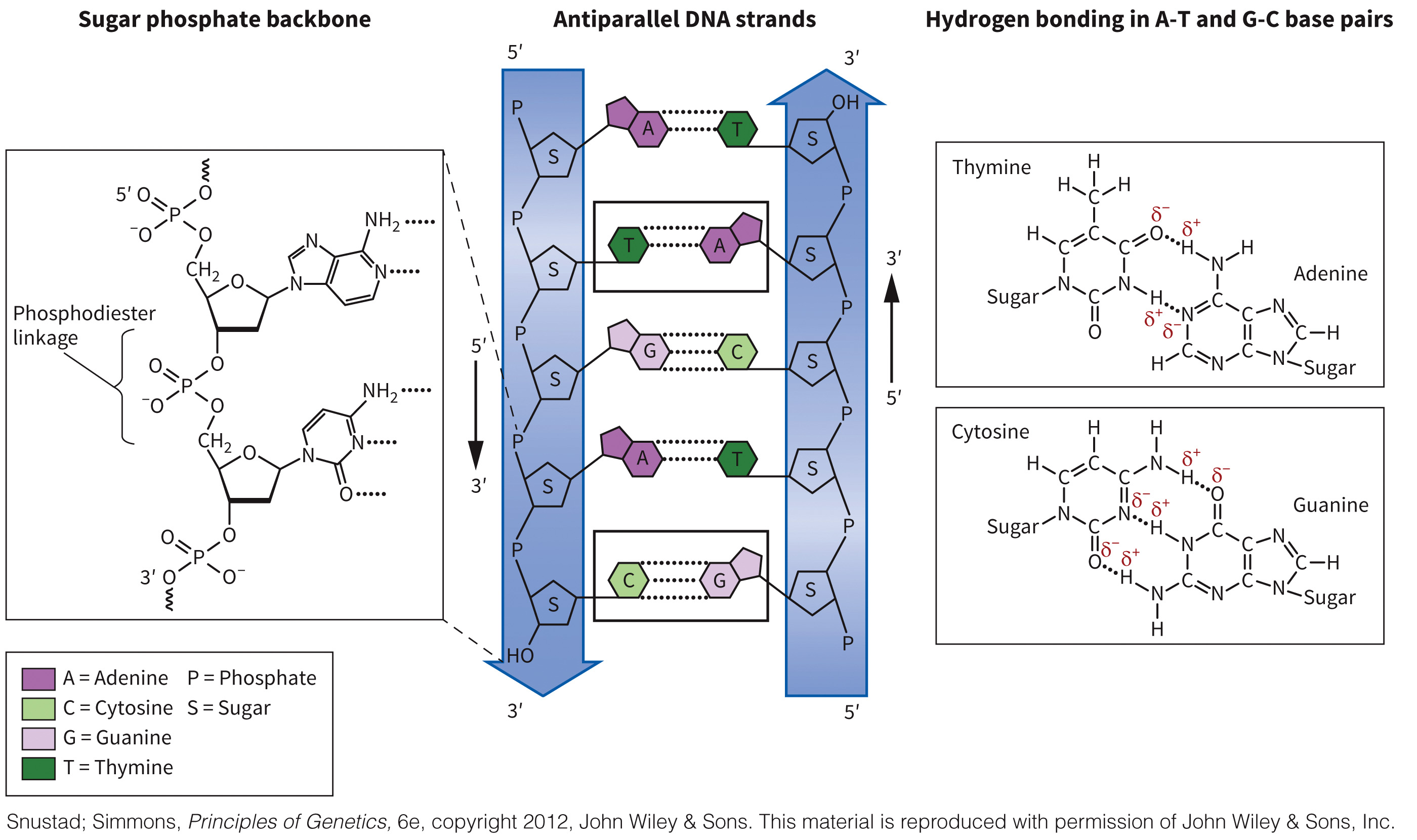
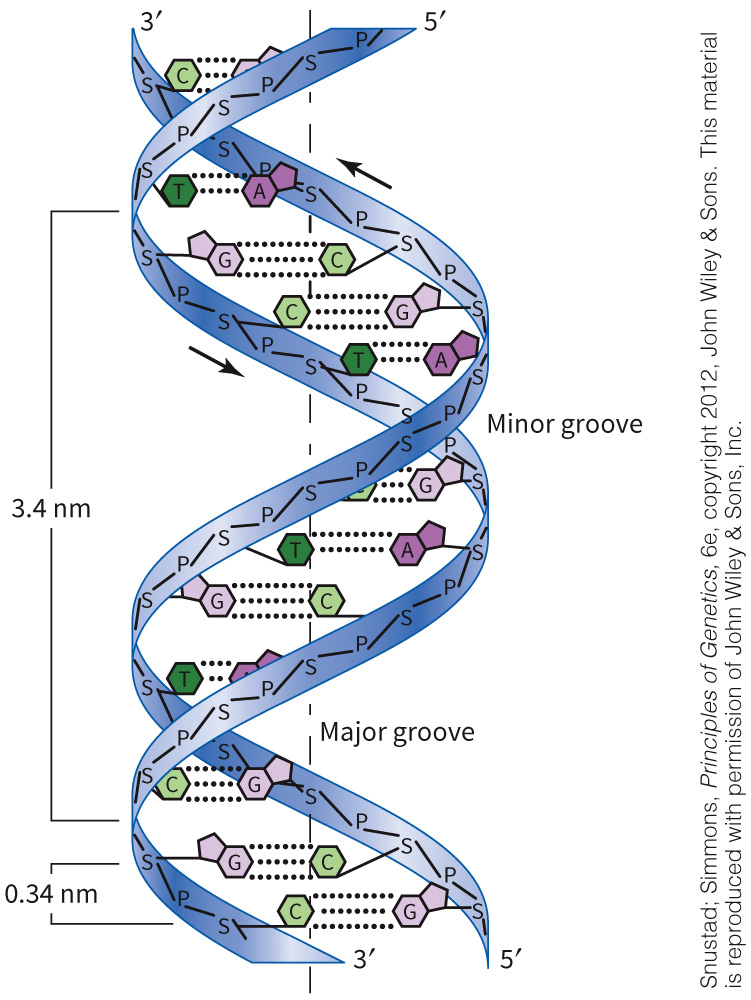
RNA generally forms a single strand, whereas DNA forms a double helix, with two strands running in opposite directions (antiparallel)
Base Pairing in DNA
Figure 2.5 Nucleic acids are polymers.
The Structure of DNA
Figure 2.6A Structure of DNA.
The Three Forms of DNA
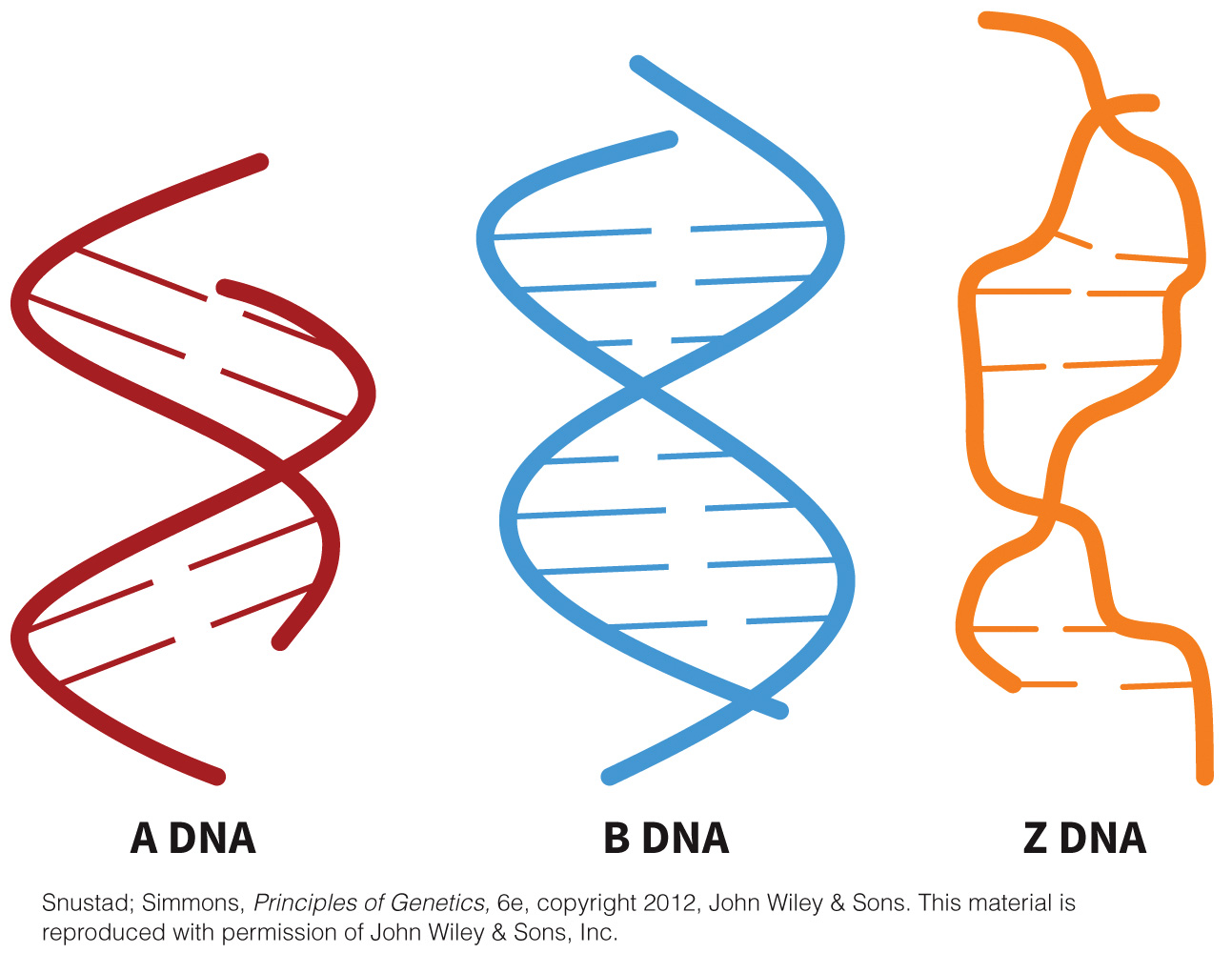
A DNA—more common under laboratory conditions; right-handed helix
B DNA—most commonly found in cells; right-handed helix
Z DNA—much wider diameter than A and B DNA; left-handed helix
A, B, and Z DNA
Figure 2.6B Structure of DNA.
Forces Involved in Stabilizing the DNA Double Helix
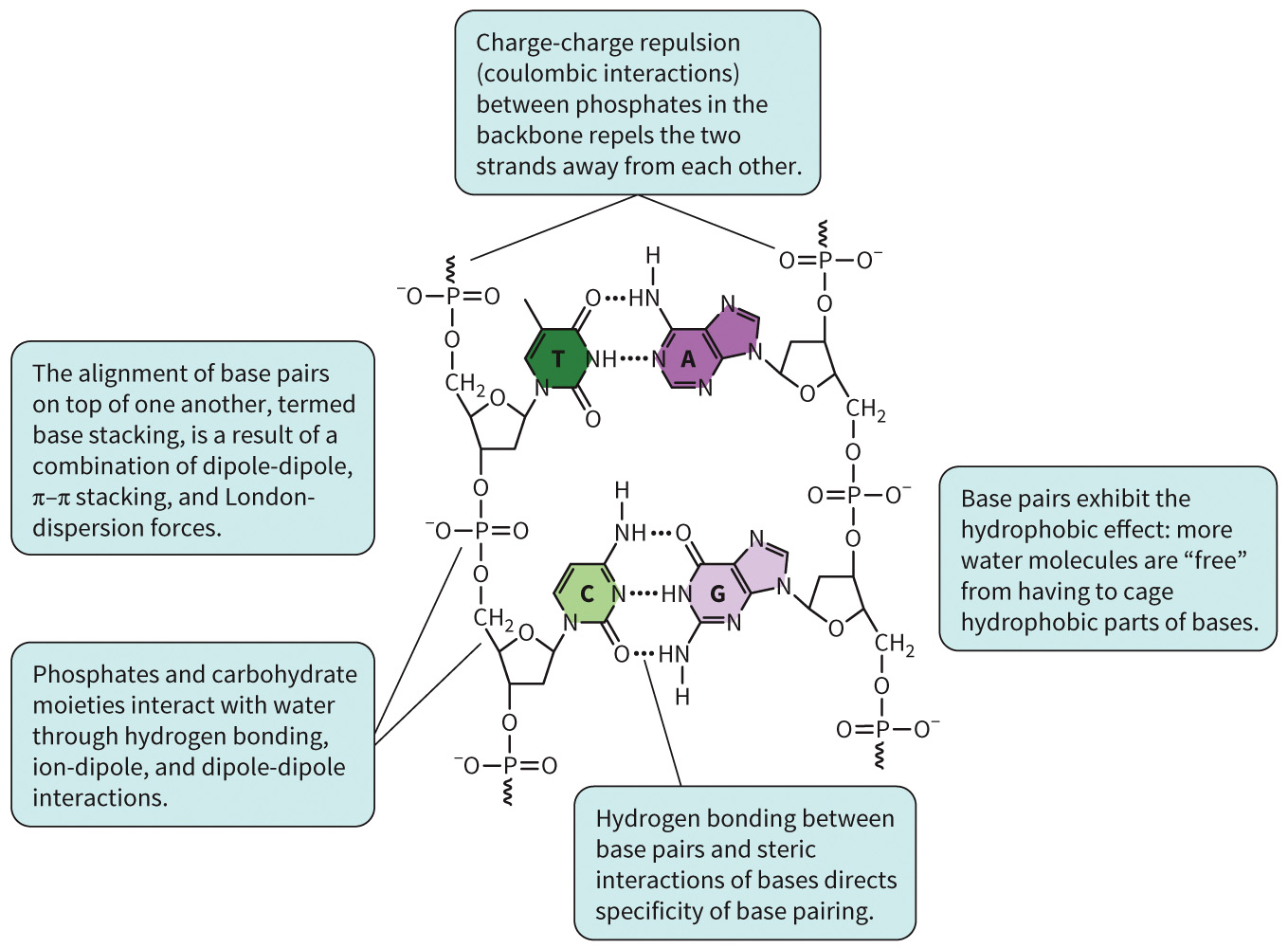
Hydrogen bonding
Hydrophobic effect
Hydrophobic Effect Defined
Hydrophobic effect occurs when hydrophobic molecules aggregate within an oily pocket within a molecule.
Helps to stabilize the DNA helix along with hydrogen bonding
Van der Waals and London dispersion forces (weak forces)
Forces Involved in DNA Stabilization
Figure 2.7 Analysis of weak forces involved in DNA stabilization.
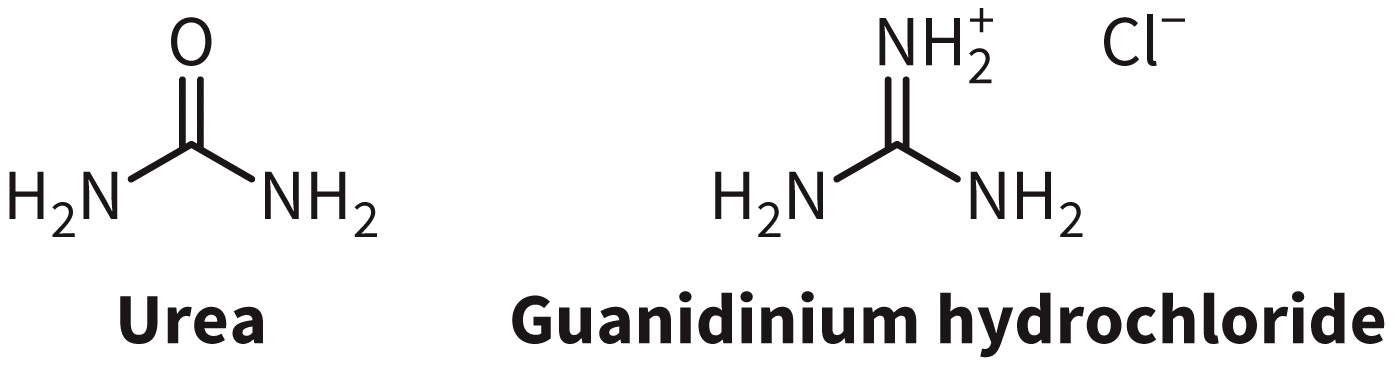
DNA Denaturation
Can occur by chemical methods or heat (Tm)
Chemical methods include
Tm = melting temperature. Higher GC content has higher Tm.
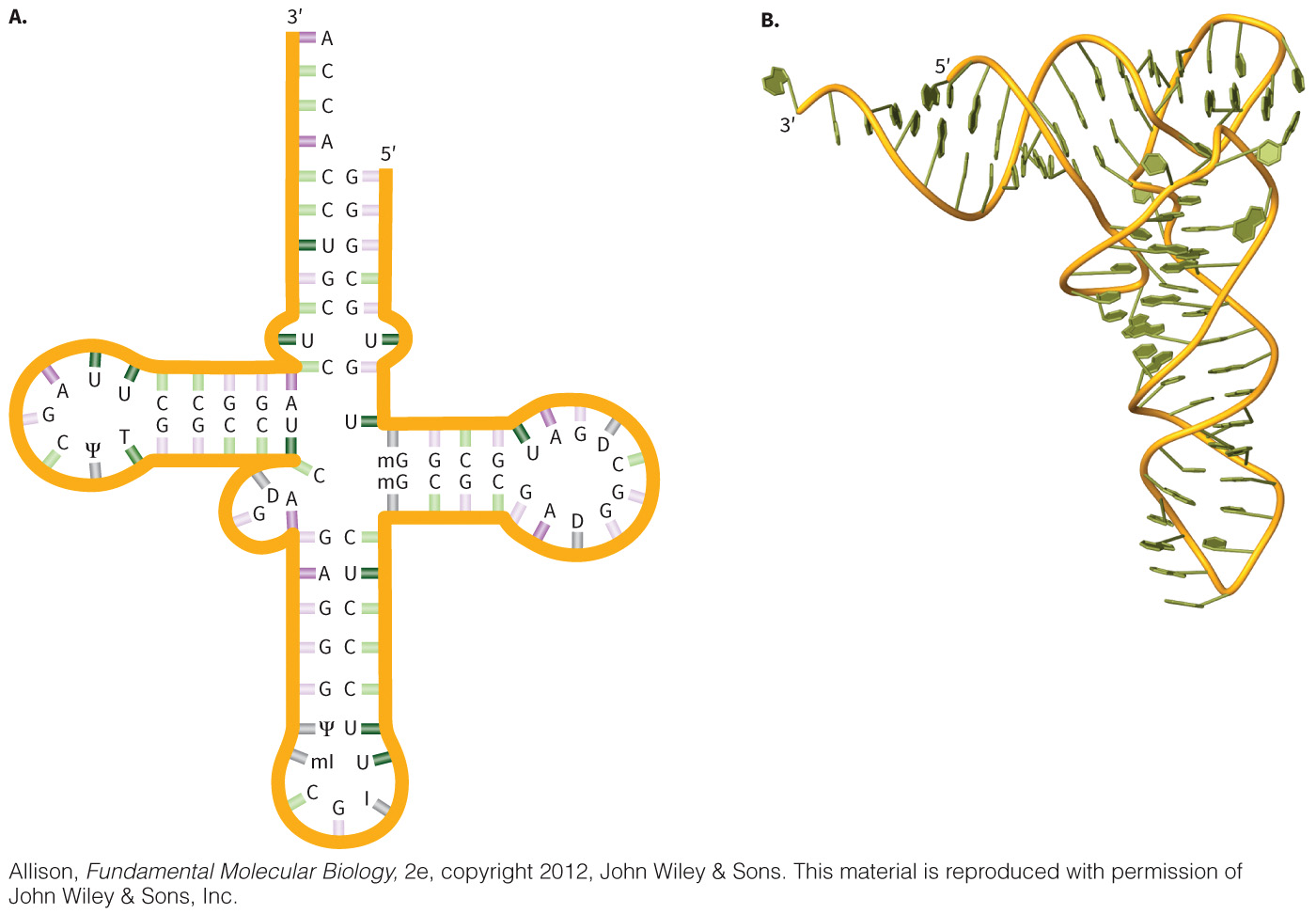
RNA: A Complex Molecule
Generally single stranded but can be double or triple stranded
Contains same weak forces used to stabilize DNA
Provides information for protein synthesis
Not as stable as DNA
Complex RNA Structures
Figure 2.8 Complex RNA structures.
Monitoring DNA and RNA
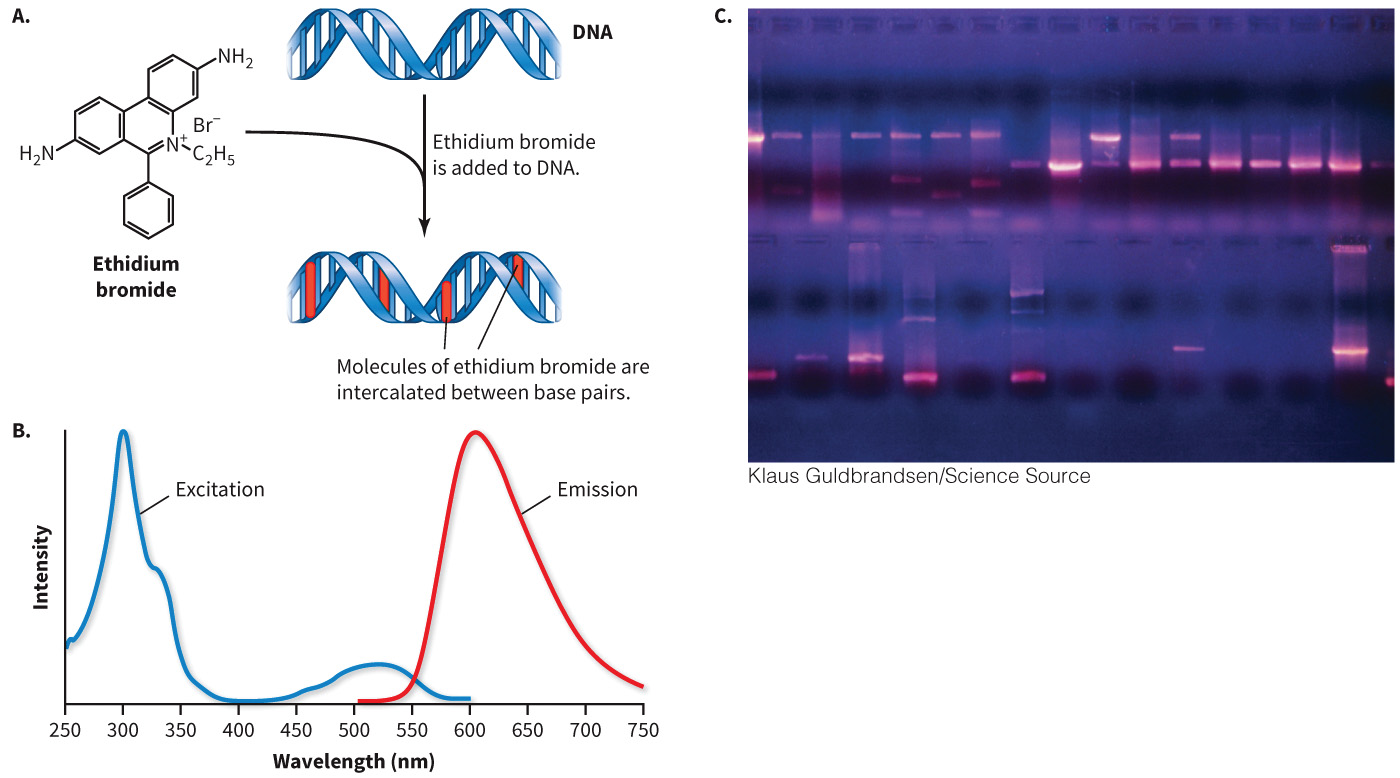
Can be done via fluorescent means
Excitation and emission
Monitoring DNA and RNA
Figure 2.10 Fluorescent dyes and DNA.
Section 2.2 Learning Objective
Illustrate when and how nucleic acids function in replication of DNA, transcription of DNA into RNA, regulation of transcription, and translation of RNA into proteins.
Mutations Defined
Mutations are minor errors in the DNA sequence.
Can disrupt the message encoded in the DNA sequence
Can have a negative or positive effect
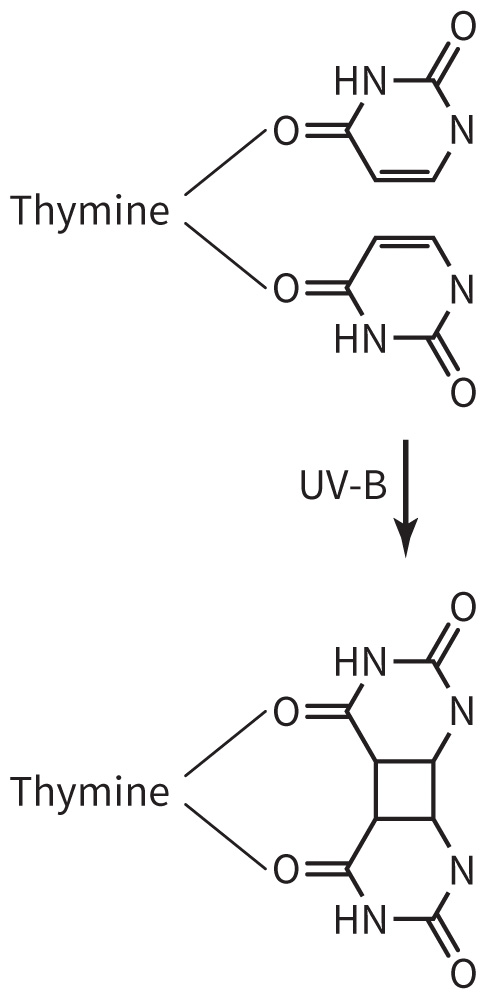
Examples include thymine dimers
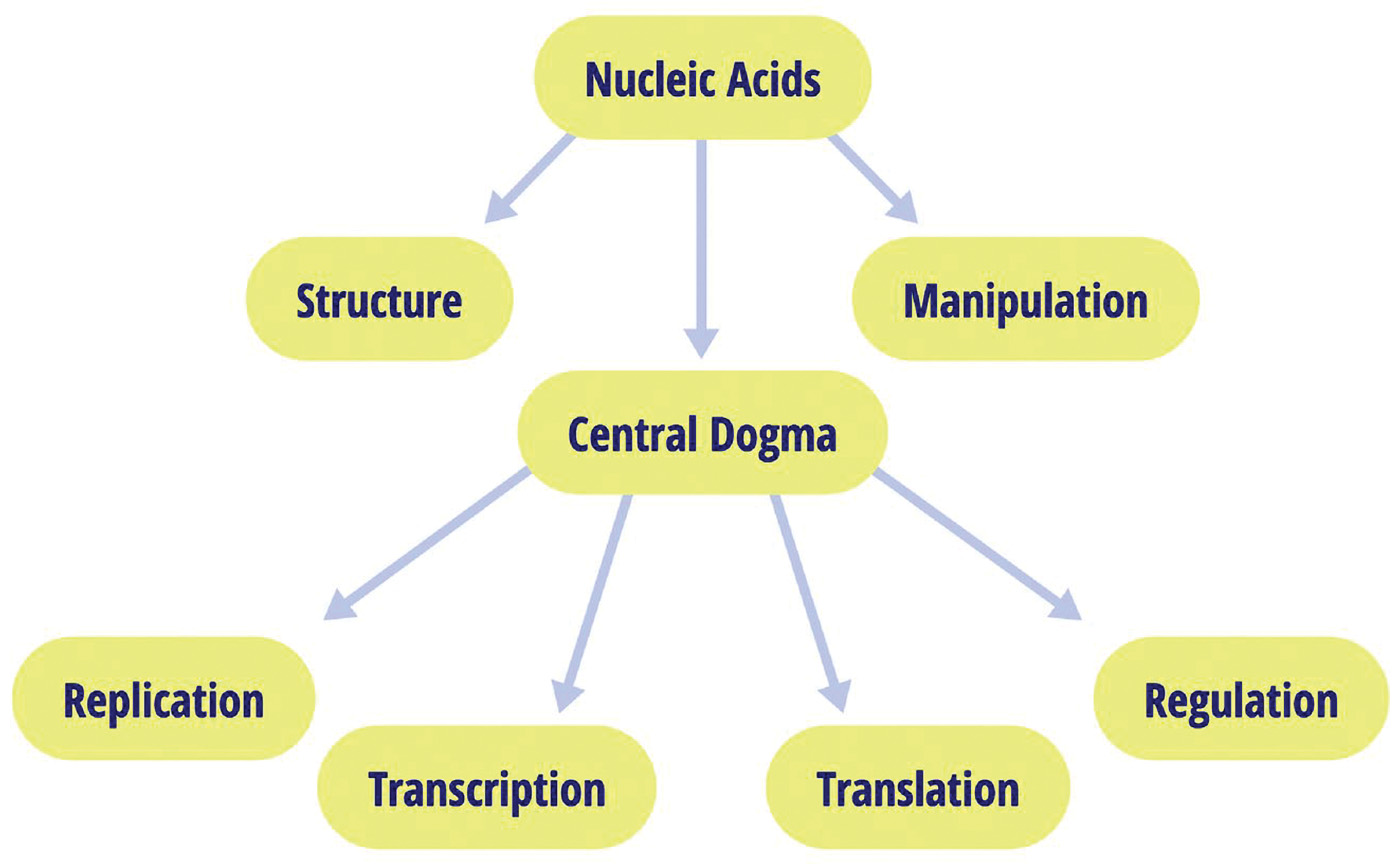
Central Dogma
Dynamic Figure 2.1
Replication Defined
Replication is the copying of DNA
It is bidirectional
It is highly regulated and coordinated
It is semiconservative
- Each strand of DNA serves as a template
- Has a low error rate because of proofreading
Semiconservative Replication
Figure 2.11 Semiconservative replication.
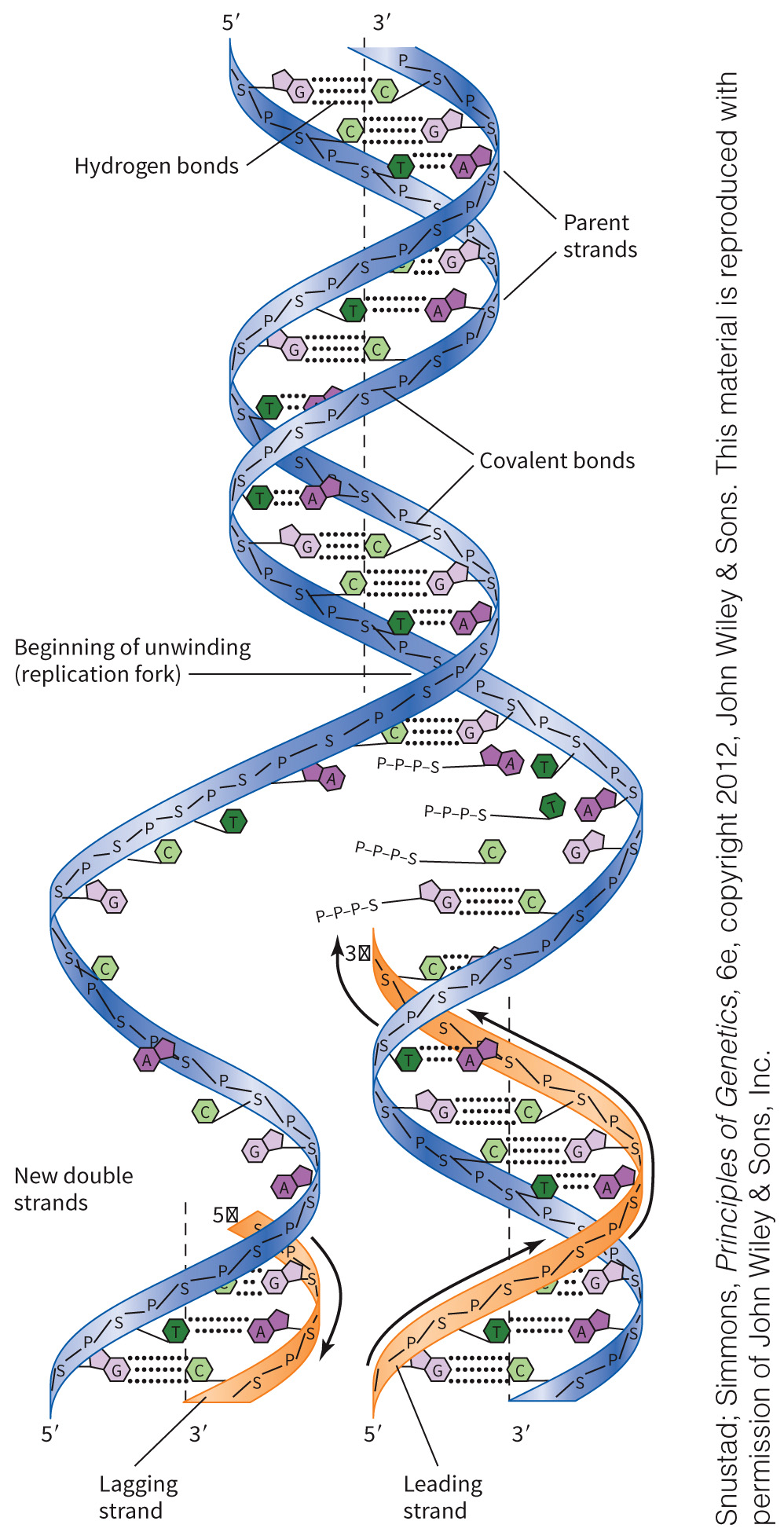
DNA Replication Is Bidirectional
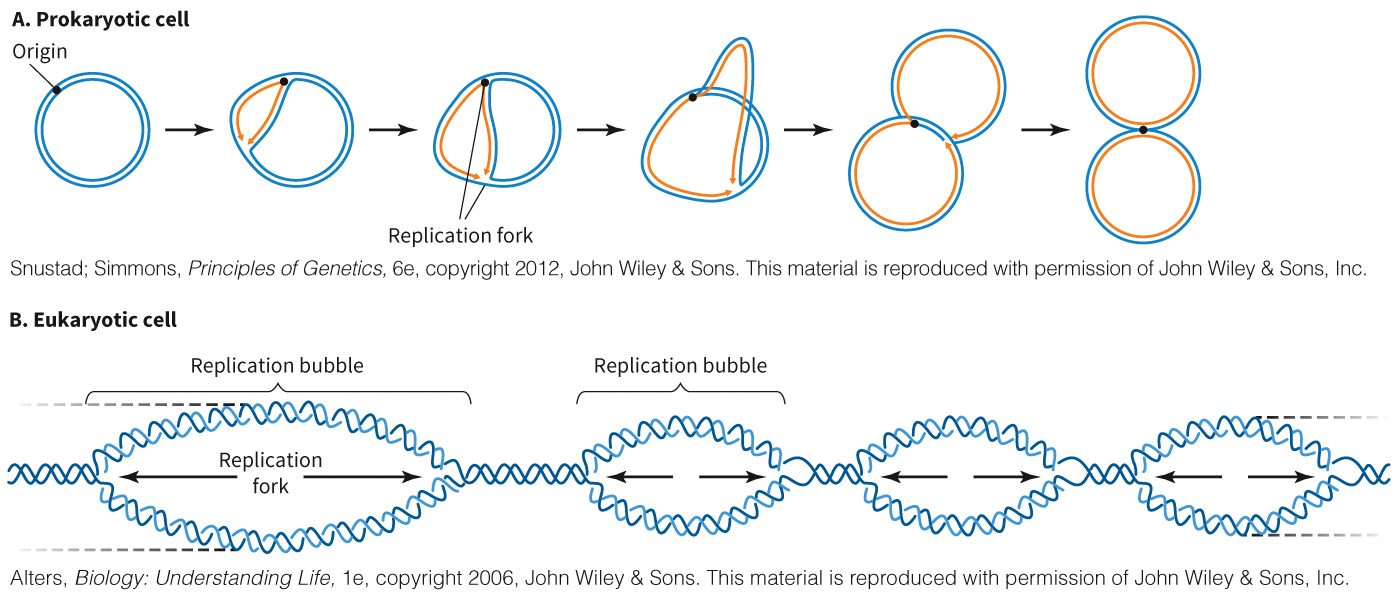
A replication bubble forms where two strands of DNA unwind
Two replication forks are formed
- Leading strands: continually synthesized
- Lagging strands: short nucleotide stretches exposed and then filled in
Replication Bubbles
Figure 2.12 Replication bubbles.
Transcription Defined
Transcription is the copying of DNA into an RNA message.
Transcription Defined
Figure 2.13A Transcription.
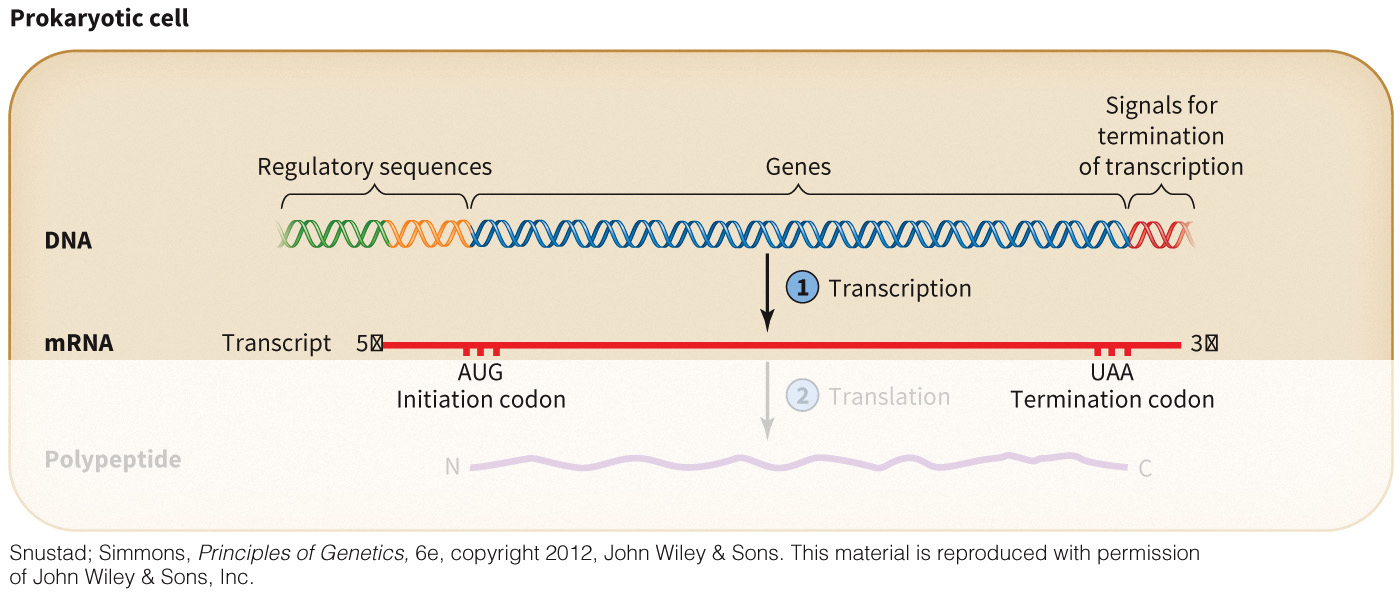
Discuss genes here
Transcription Defined
Figure 2.13B Transcription.
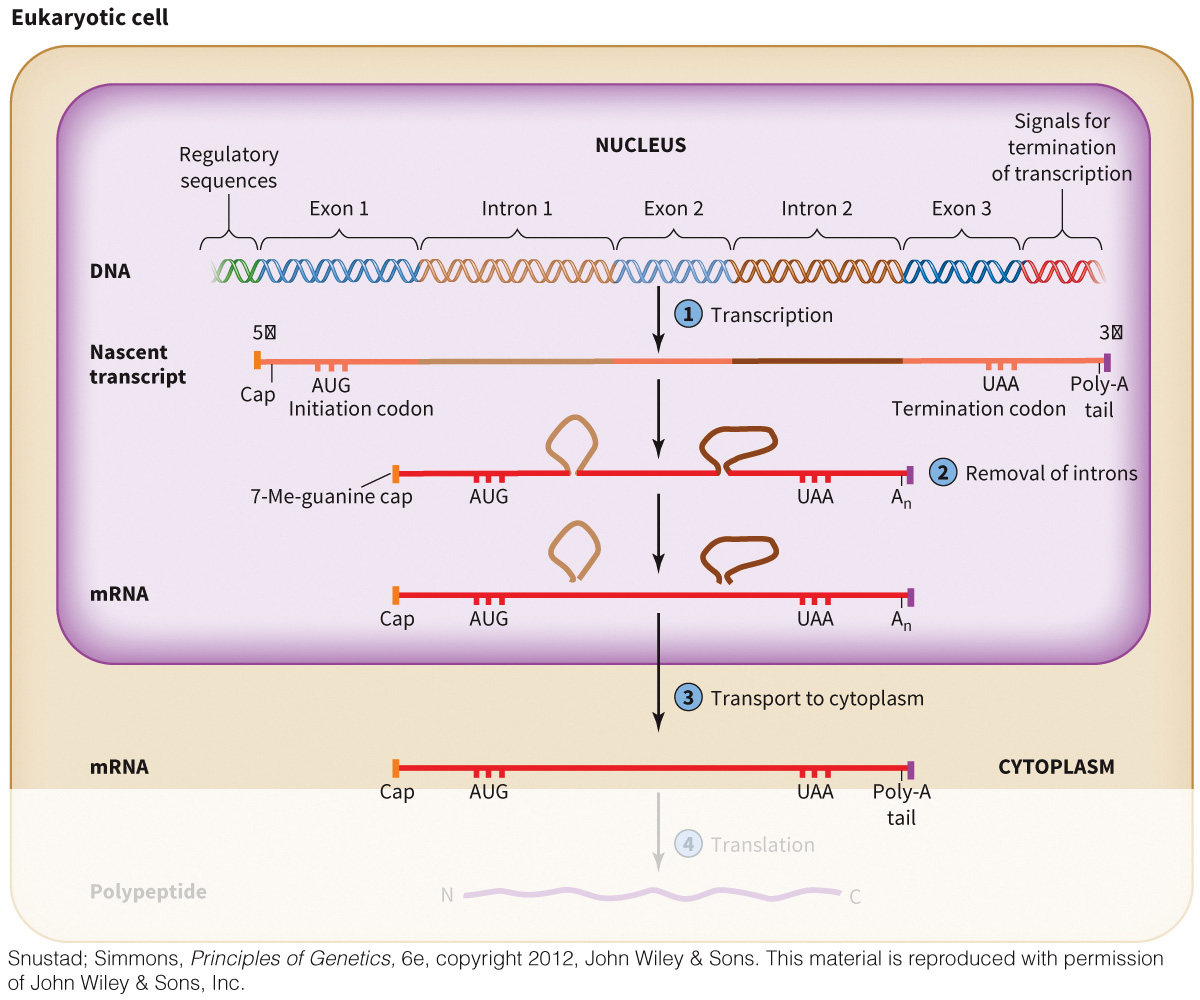
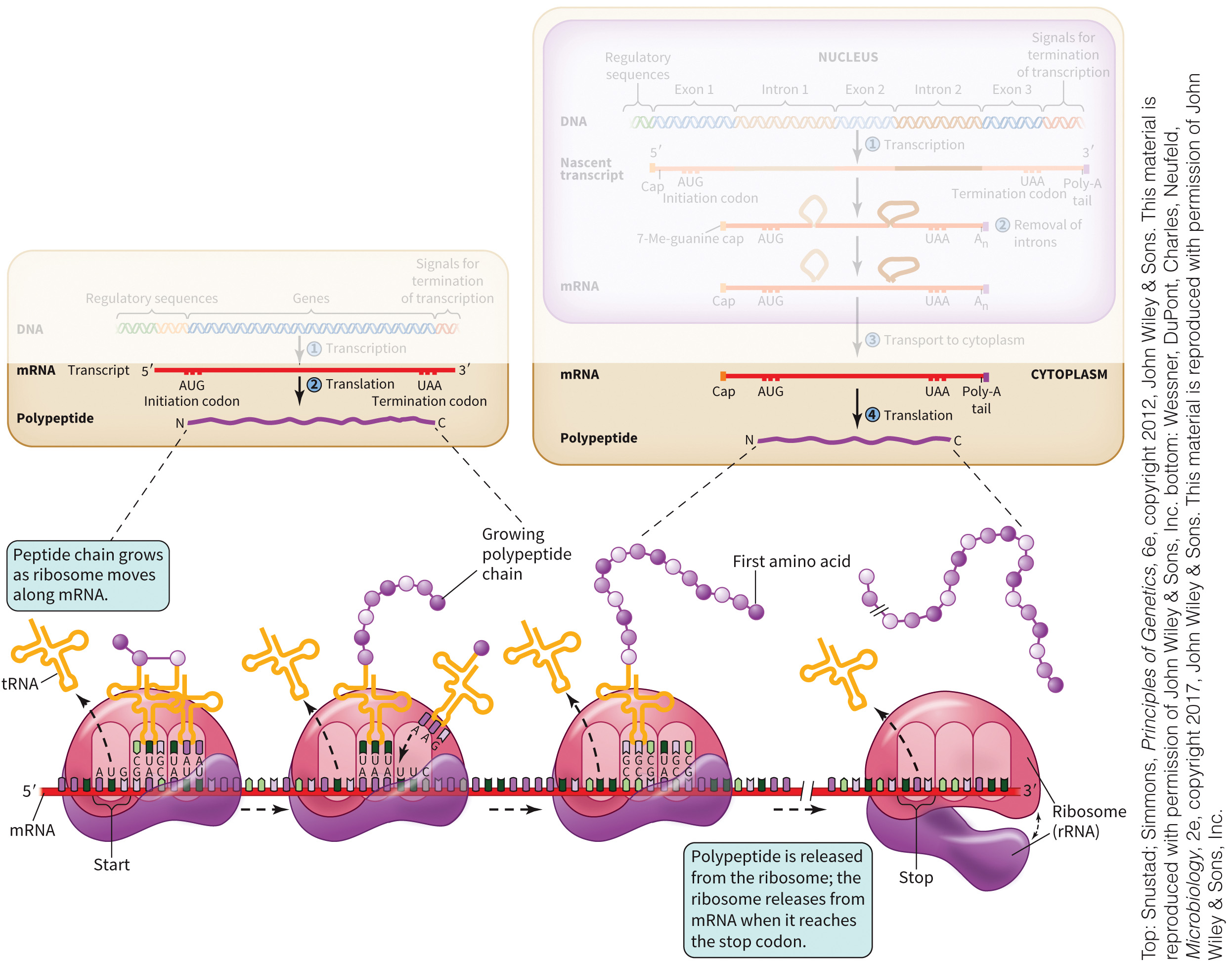
Translation Defined
Translation is the synthesis of proteins.
It uses code found in mRNA, but tRNA and rRNA are also involved.
Translation Defined
Figure 2.14 Protein synthesis translation
Gene Regulation Defined
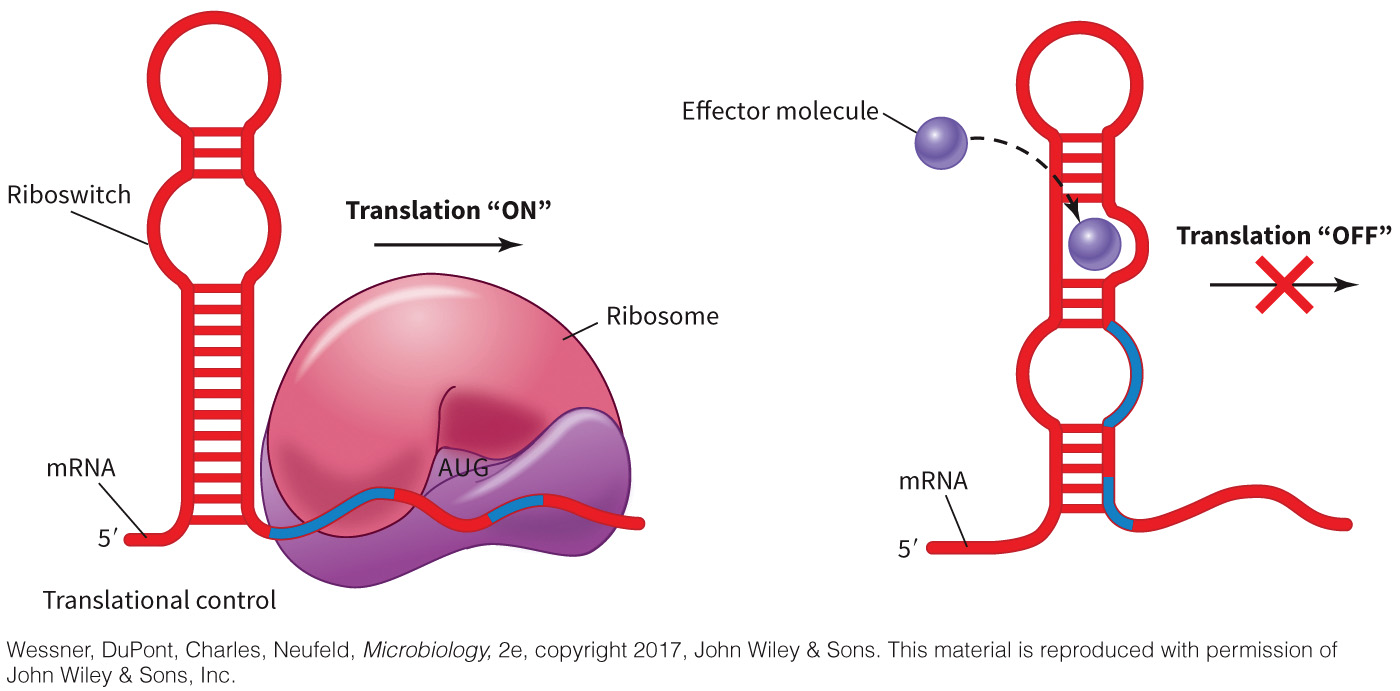
Gene regulation is the process in which genes are expressed at different levels
Riboswitches are one method to regulate gene expression
Riboswitches
Figure 2.15 Riboswitches are one mechanism to regulate gene expression.
Viruses and Retroviruses Defined
Viruses are small pathogenic assemblies of nucleic acids (DNA or RNA) that require a cellular host for replication.
Retroviruses use RNA to make DNA during their life cycle.
Virus and Retrovirus Effects on Replication
Viruses are small pathogenic assemblies.
Riboswitches can be used to regulate gene expression.
RNA interference (RNAi) can be used as well.
Section 2.3 Learning Objective
Describe how alterations to nucleic acids in the cell can facilitate biochemical studies.
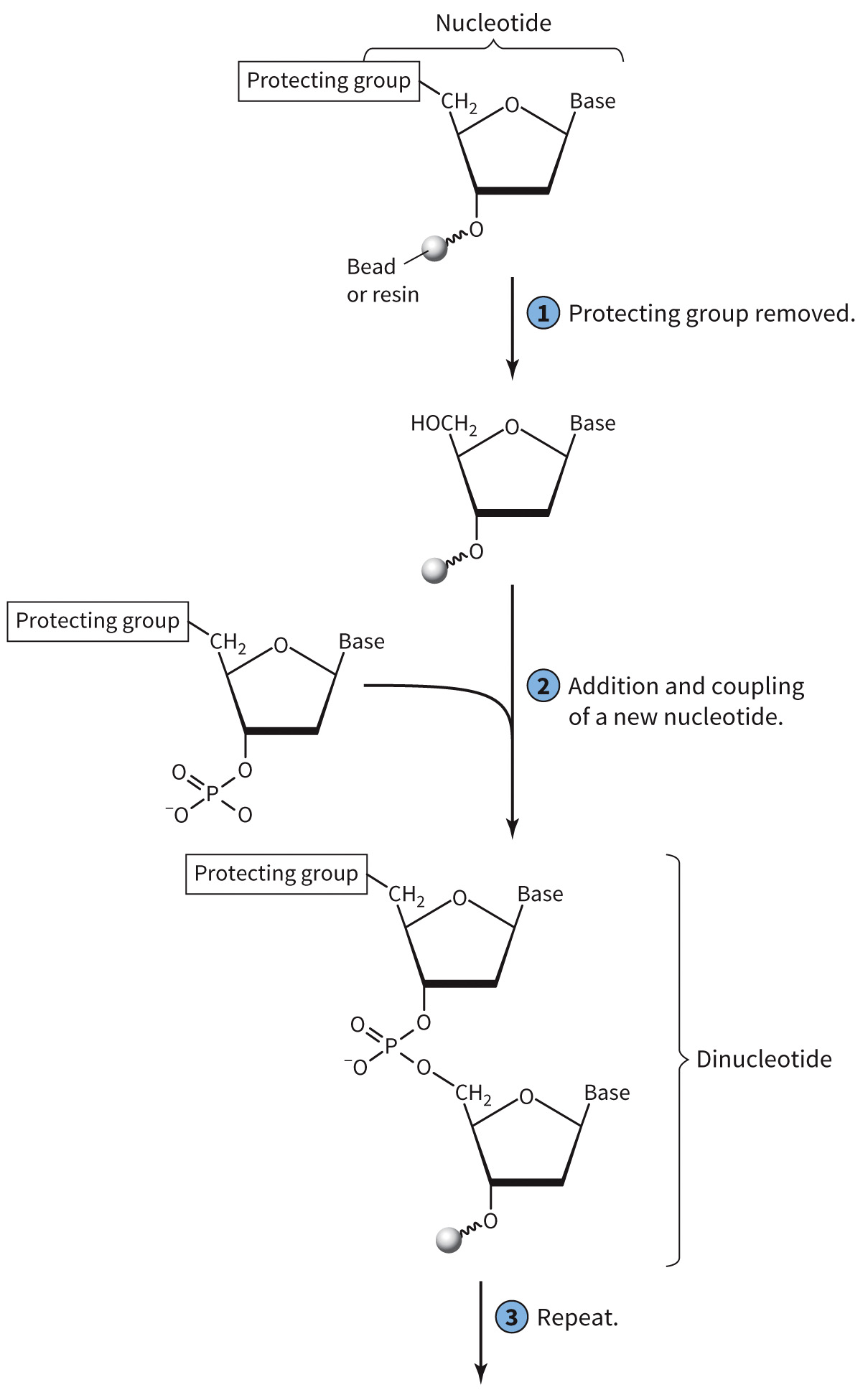
Solid Phase Nucleotide Synthesis
The synthesis of short DNA fragments (up to 70 nucleotides) can be done by hand or robotically.
Solid Phase Nucleotide Synthesis
Figure 2.16 Solid phase nucleotide synthesis.
Polymerase Chain Reaction (PCR)
PCR can be used to amplify millions of copies of a single fragment of DNA in a short period of time.
PCR uses a reaction mixture containing
- template DNA
- primers
- heat stable polymerase
- deoxynucleotides
Polymerase Chain Reaction Schematic
Figure 2.17 Polymerase chain reaction.
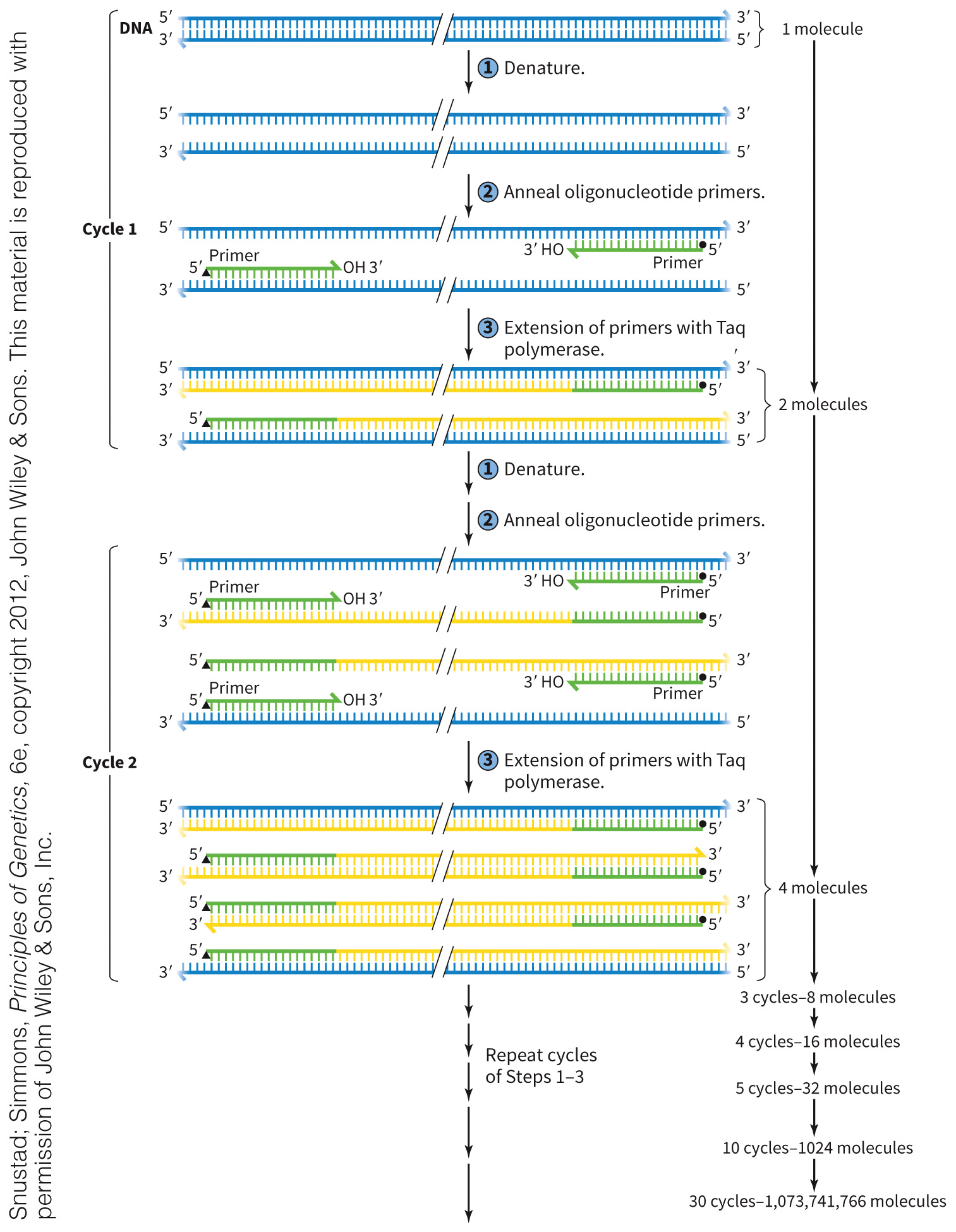
Explain thoroughly how PCR works (i.e. denaturation, annealing, etc.)
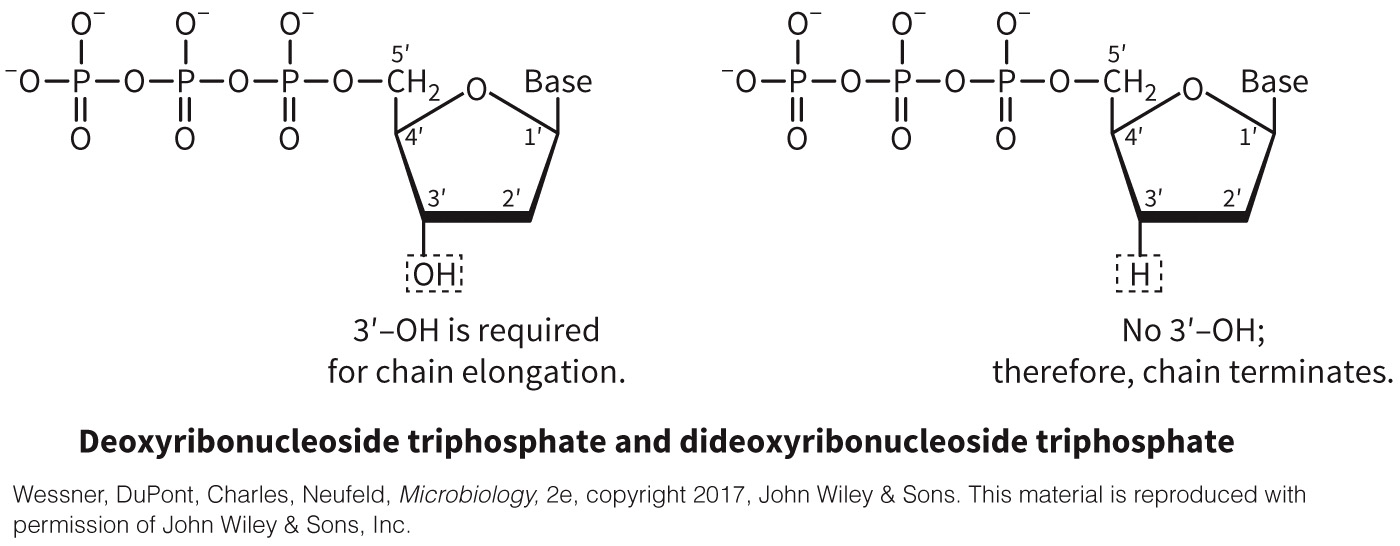
Sanger, or Dideoxy, Method
First-generation DNA sequencing technology
Uses a reaction mixture containing
- template DNA
- oligonucleotide or sequencing primer
- DNA polymerase
- radiolabeled dideoxynucleotides
Explain the purpose of each component in the reaction mixtures
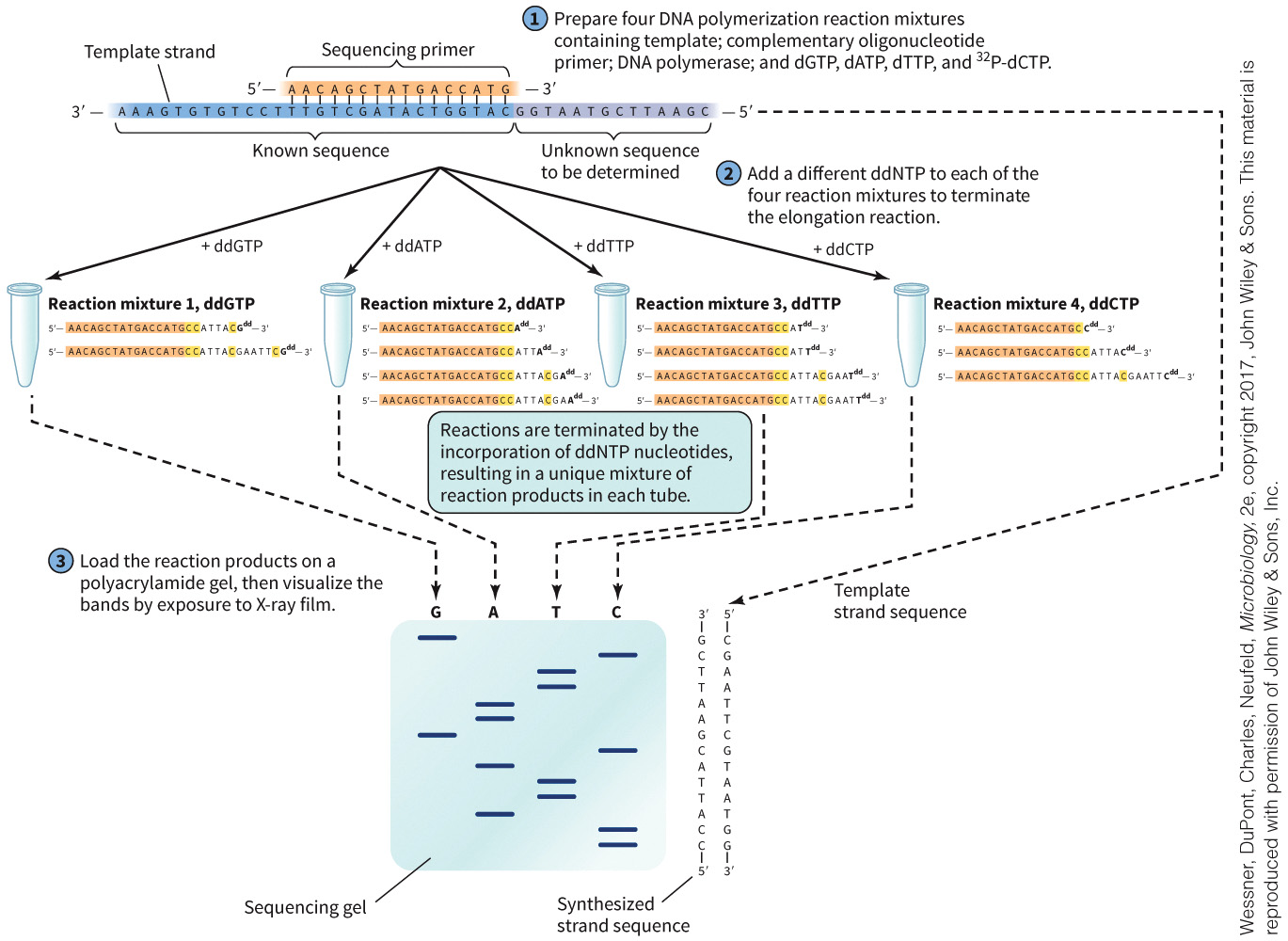
Sanger Method for DNA Sequencing
Figure 2.19A First-generation DNA sequencing using the Sanger dideoxy method.
Sanger Method for DNA Sequencing
Figure 2.19B First-generation DNA sequencing using the Sanger dideoxy method.
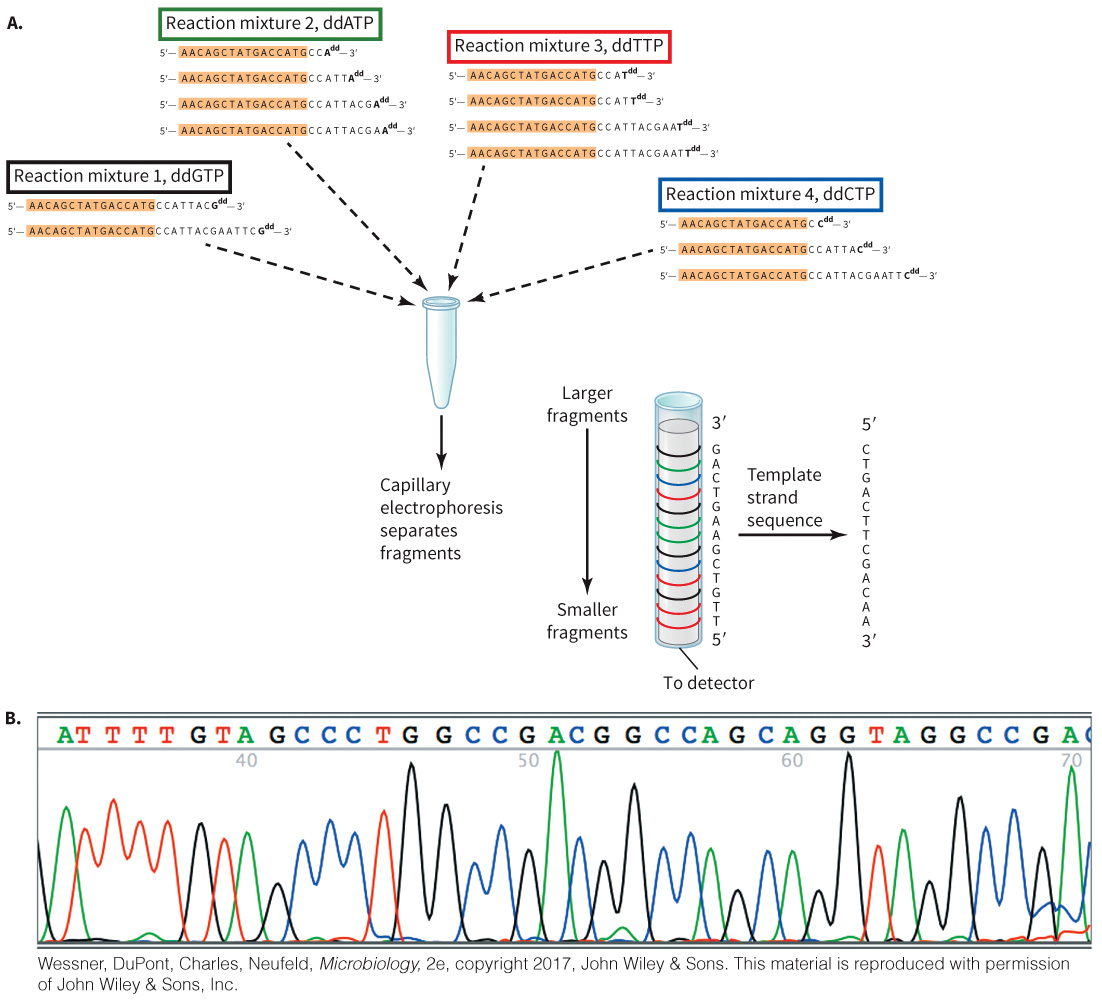
Fluorescent DNA Sequencing
DNA sequencing technology that uses fluorescently labeled dye terminator nucleotides
384 samples can be run simultaneously
Fluorescent DNA Sequencing Techniques
Figure 2.20 Fluorescent PCR-based sequencing.
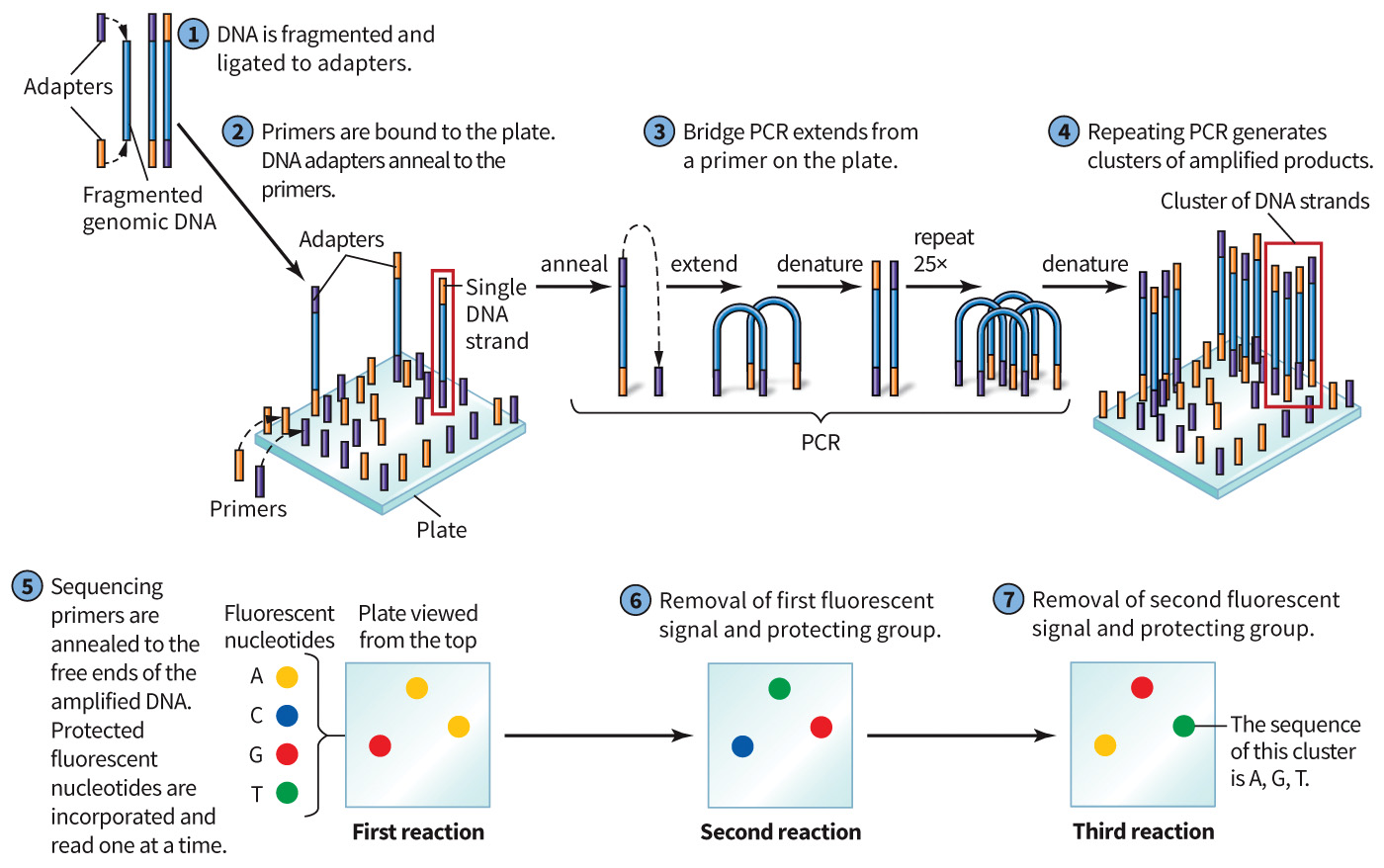
Illumina Sequencing
Genomic DNA is fragmented and ligated to adapters.
“Bridge” PCR is carried out to amplify single copies into small spots termed clusters.
Illumina Sequencing Techniques
Figure 2.21 Illumina sequencing.
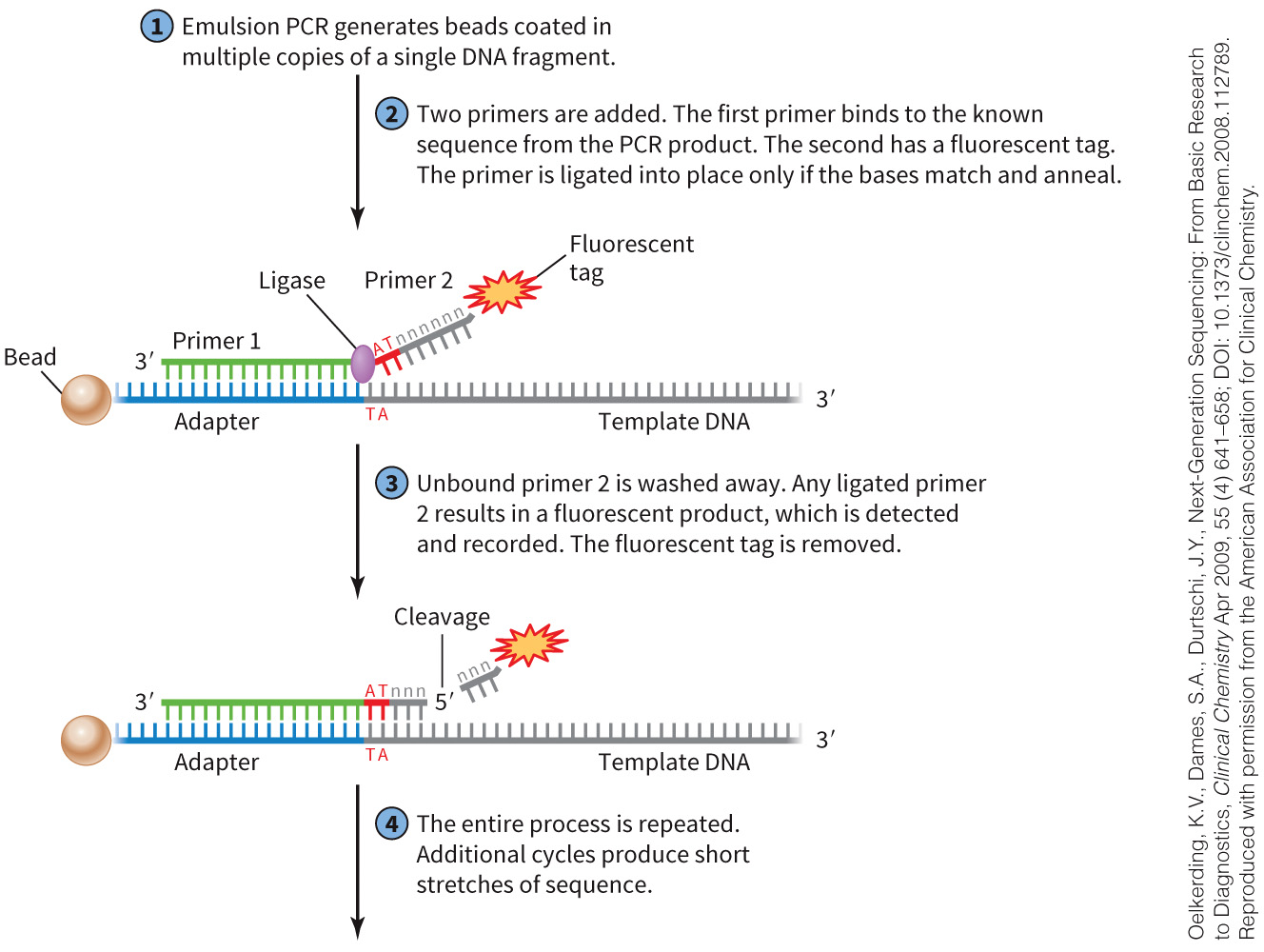
SOLiD (Two-Base Encoding)
Ligase-based sequencing technology
- is better at detecting single nucleotide polymorphisms.
- is less expensive but slower than other sequencing techniques.
SOLiD (Two-Base Encoding)
Figure 2.22 SOLiD sequencing.
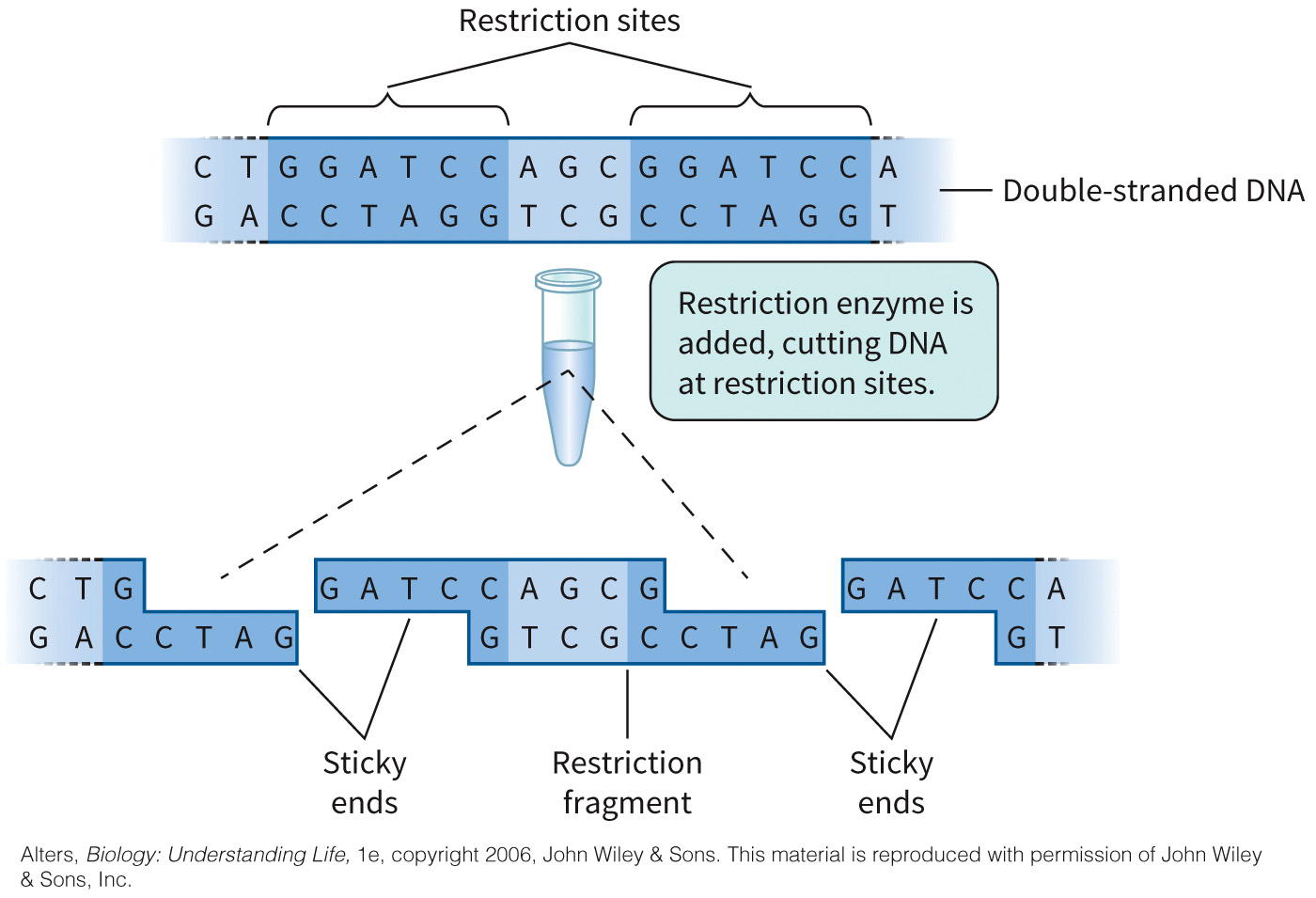
Restriction Enzymes Defined
Restriction enzymes are enzymes that cut DNA.
They cut inside a strand of nucleotides.
They recognize a four- to eight-base palindromic nucleotide sequence.
The ends can be blunt or sticky.
Also known as endonucleases
Enzymes That Manipulate DNA
Figure 2.23A Enzymes that manipulate DNA.
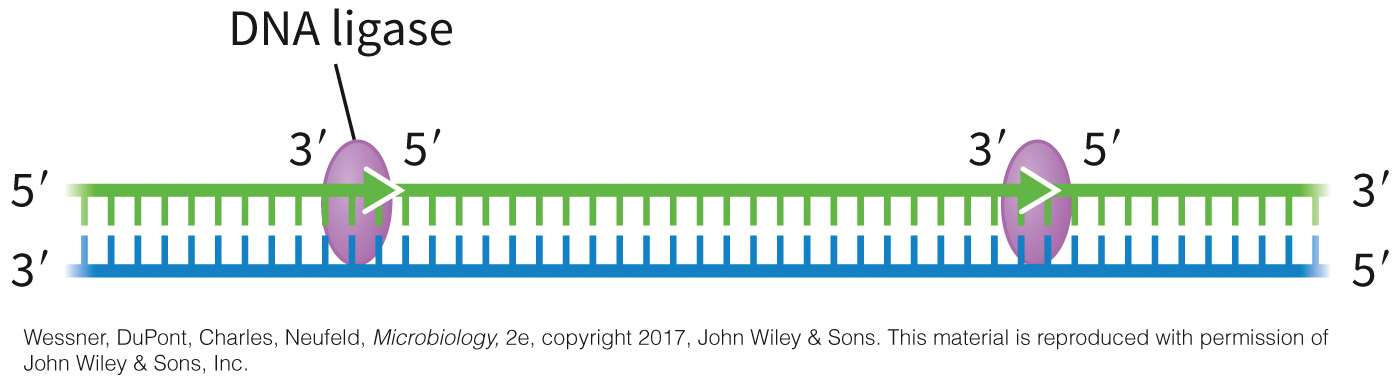
DNA Ligases Defined
DNA ligases are enzymes that seal breaks in the sugar phosphate backbone.
They can join blunt or sticky ends together.
DNA Ligases Defined
Figure 2.23B Enzymes that manipulate DNA.
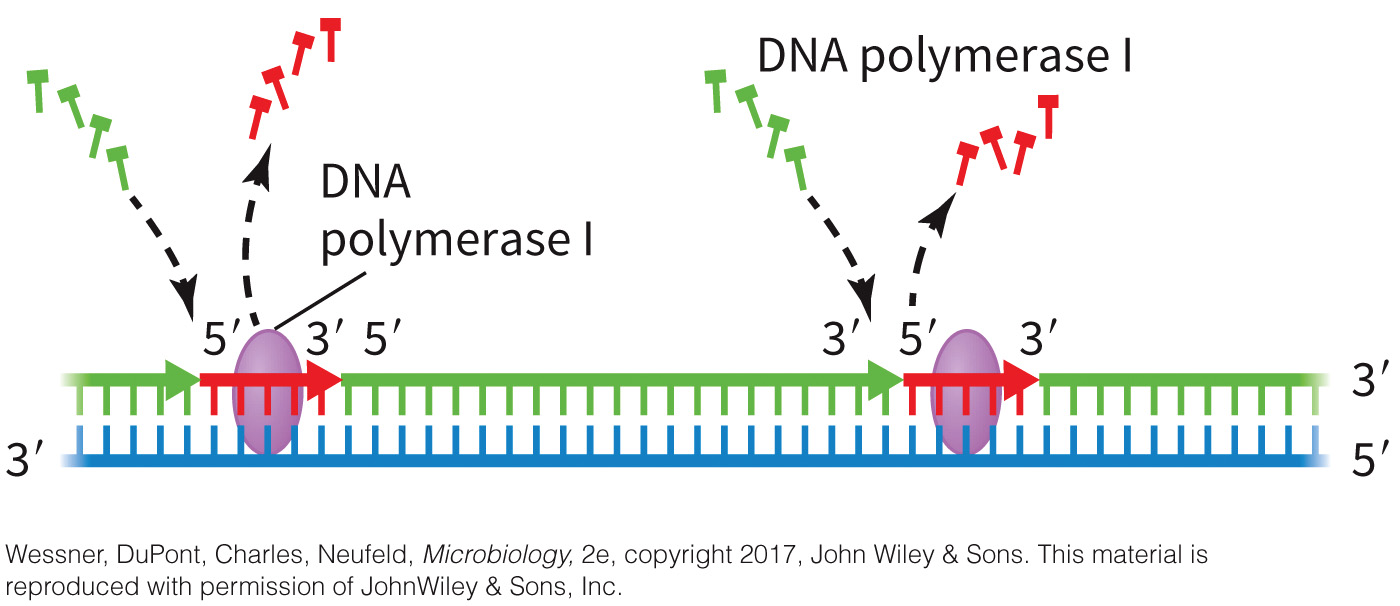
DNA Polymerases Defined
DNA polymerases are enzymes that synthesize a new strand of DNA.
DNA Polymerases Defined
Figure 2.23C Enzymes that manipulate DNA.
Cloning Defined
Cloning is the process of copying DNA in a living organism.
It is the creation of a copy of a single cell.
It can occur with high fidelity.
Subcloning involves copying only a piece of the whole, for example a fragment of a gene.
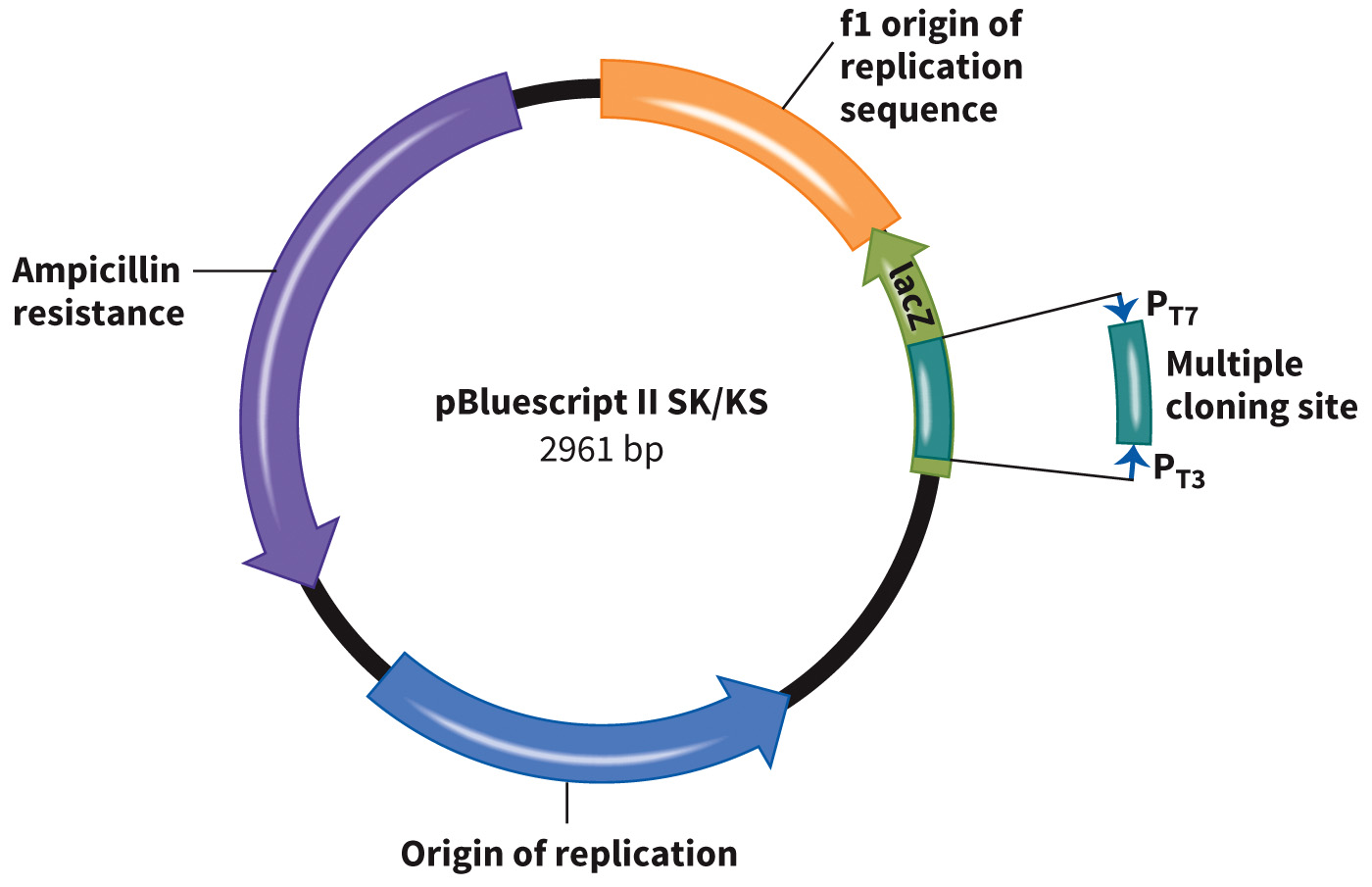
Plasmids Defined
Plasmids are short loops of bacterial DNA that bacteria use to exchange genes with one another.
They can be optimized for cloning DNA.
Plasmids Defined
Figure 2.24 Plasmid DNA.
Transformation and Transfection Defined
Transformation is the process of getting pieces of DNA into a bacterial cell.
Transfection is the process of getting pieces of DNA into a eukaryotic cell.
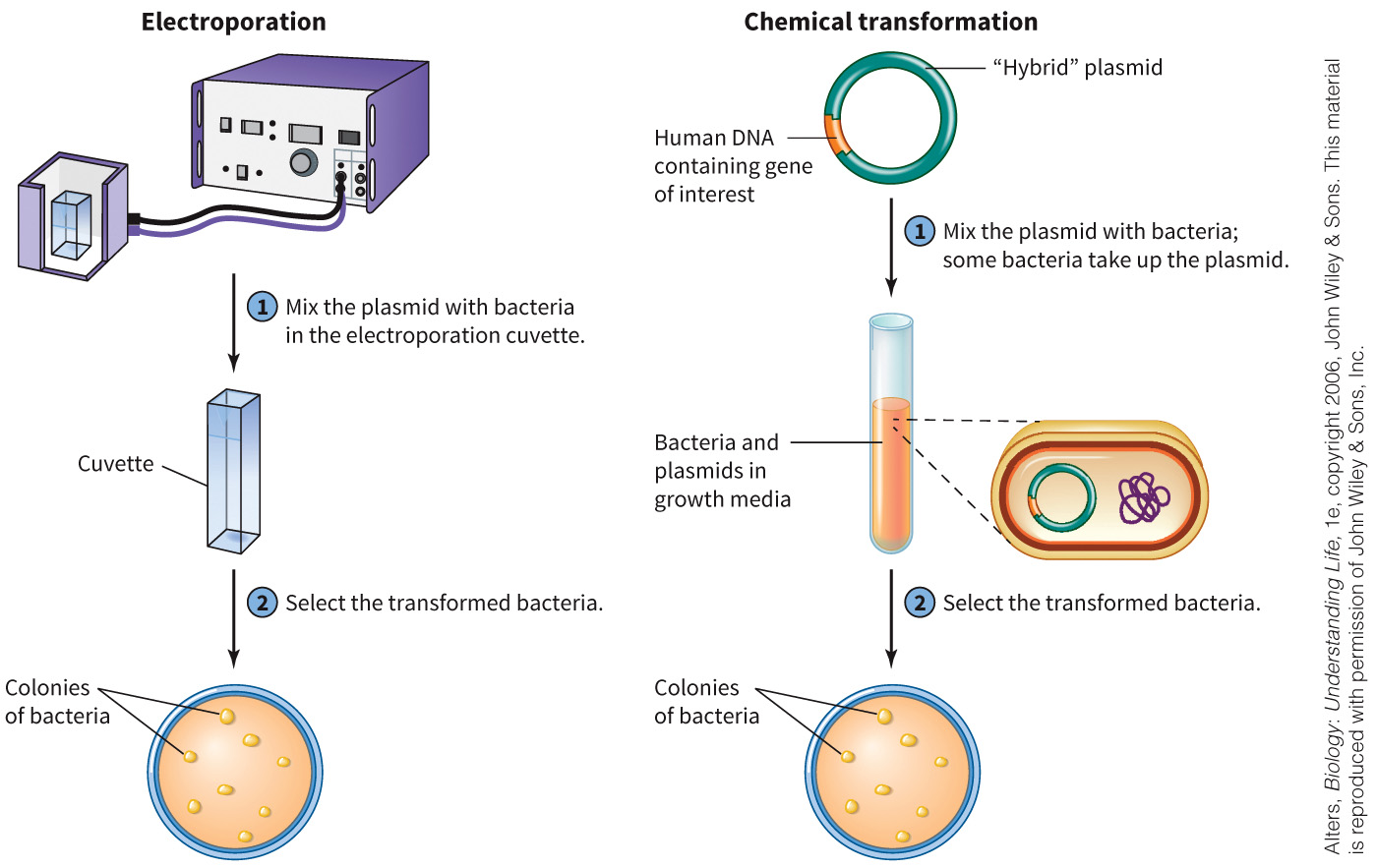
Transformation Defined
Transformation is the process of getting pieces of DNA into a bacterial cell.
Bacterial cells can be transformed either by electroporation or using chemical means.
Electroporation is the process in which DNA can be introduced into the cell.
Common chemical transformations include diethylaminoethyl (DEAE) dextran, calcium phosphate precipitation, and antibiotics.
Transformation
Figure 2.25A Transformation, transfection, and infection.
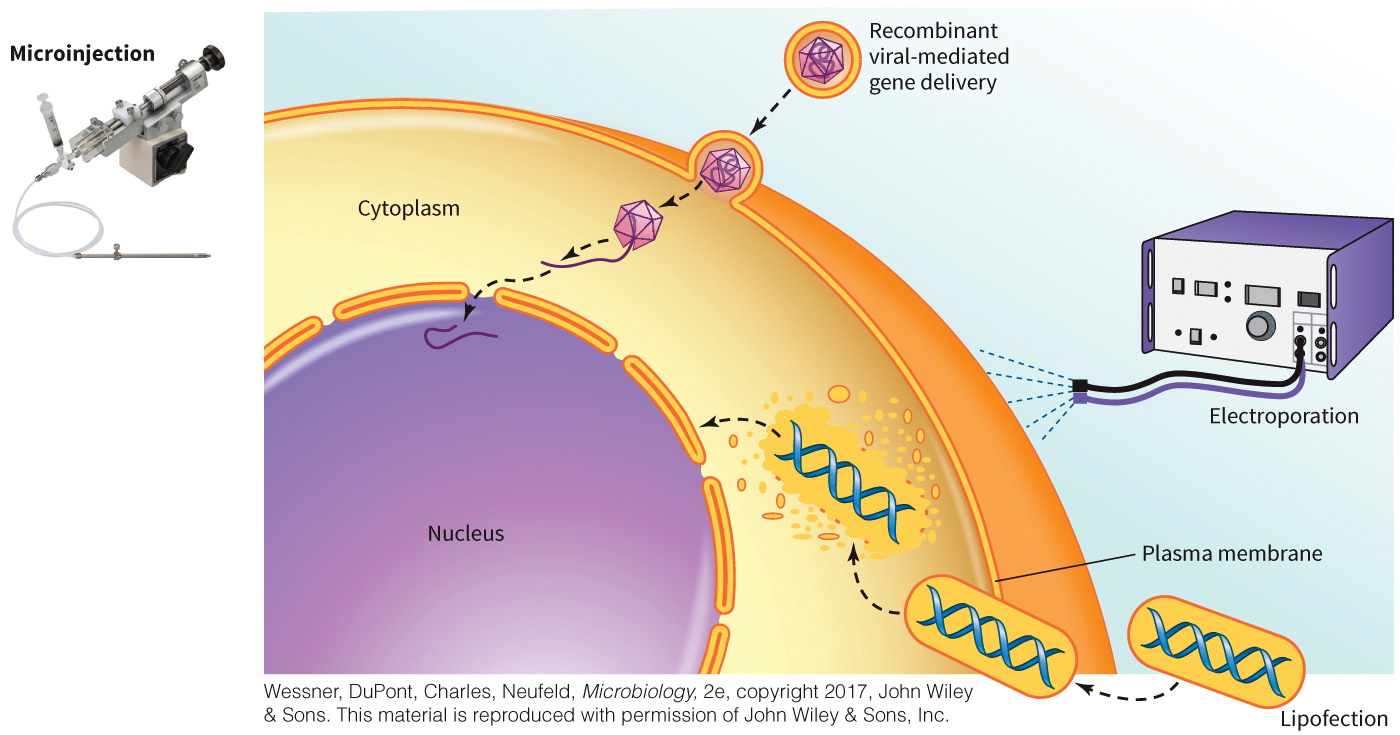
Transfection Defined
Transfection is the process of getting pieces of DNA into a eukaryotic cell.
Eukaryotic cells can be infected with a virus or transfected using electroporation, cationic lipids, or microinjection.
Transfection
Figure 2.25B Transformation, transfection, and infection.
Biolistics Defined
Biolistics is the technique in which DNA is put onto microscopic particles of gold or tungsten, and these particles are physically blasted into the cell using a pulse of helium gas.
It is effective on cells that are difficult to transfect.
It is also known as using a “gene gun.”
Recombinant Viral-Mediated Gene Delivery
Used to introduce DNA to alter the genetic sequence of a virus and use that virus to deliver genes
Modifies the viral genome
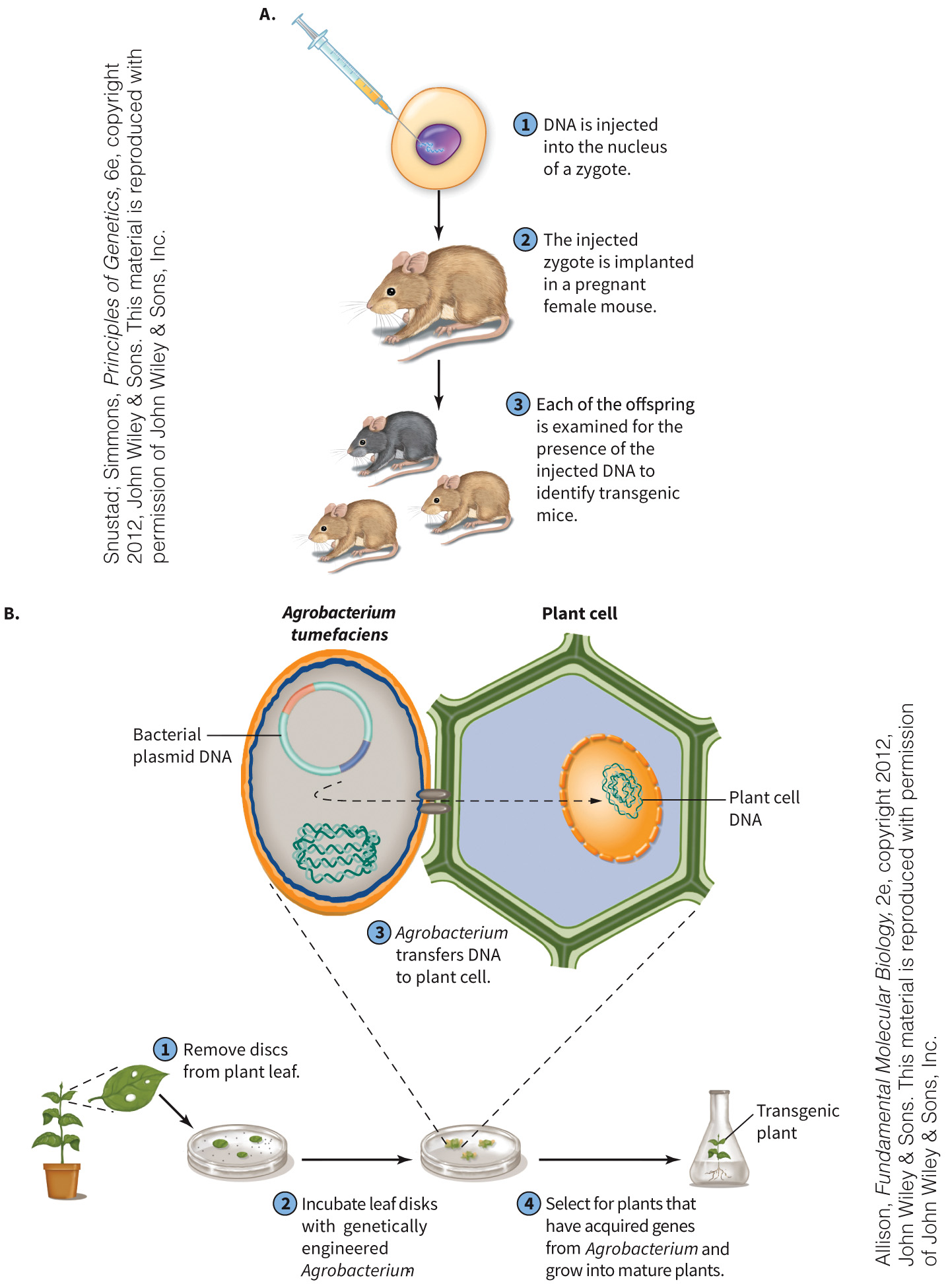
Transgenic Organisms Defined
Transgenic organisms are organisms that can be transfected with pieces of DNA integrated into the host genome.
This can be passed on from cell to cell as the organism grows and develops.
This can occur in plants and animals.
GMO crops
Transgenic Organisms
Figure 2.27 Transgenic organisms.
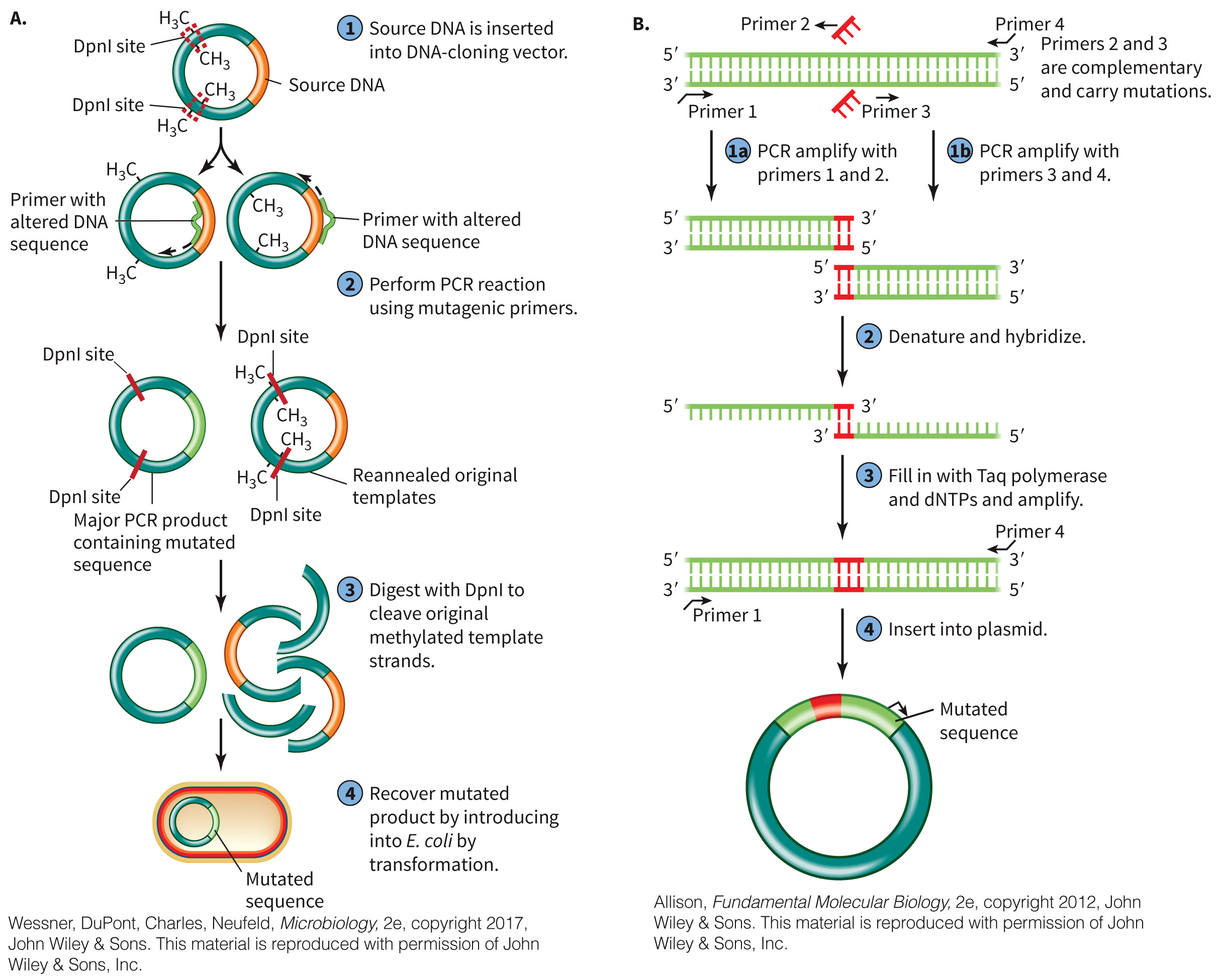
Site-Directed Mutagenesis Defined
Site-directed mutagenesis is the process in which a specific mutation is generated at a specific site in the sequence.
Site-Directed Mutagenesis Defined
Figure 2.28 Two methods of generating site-directed mutants.
Gene Silencing Defined
Gene silencing is the process of “removing” a protein.
Examples of gene silencing include creating a knockout, using siRNA, and using CRISPR.
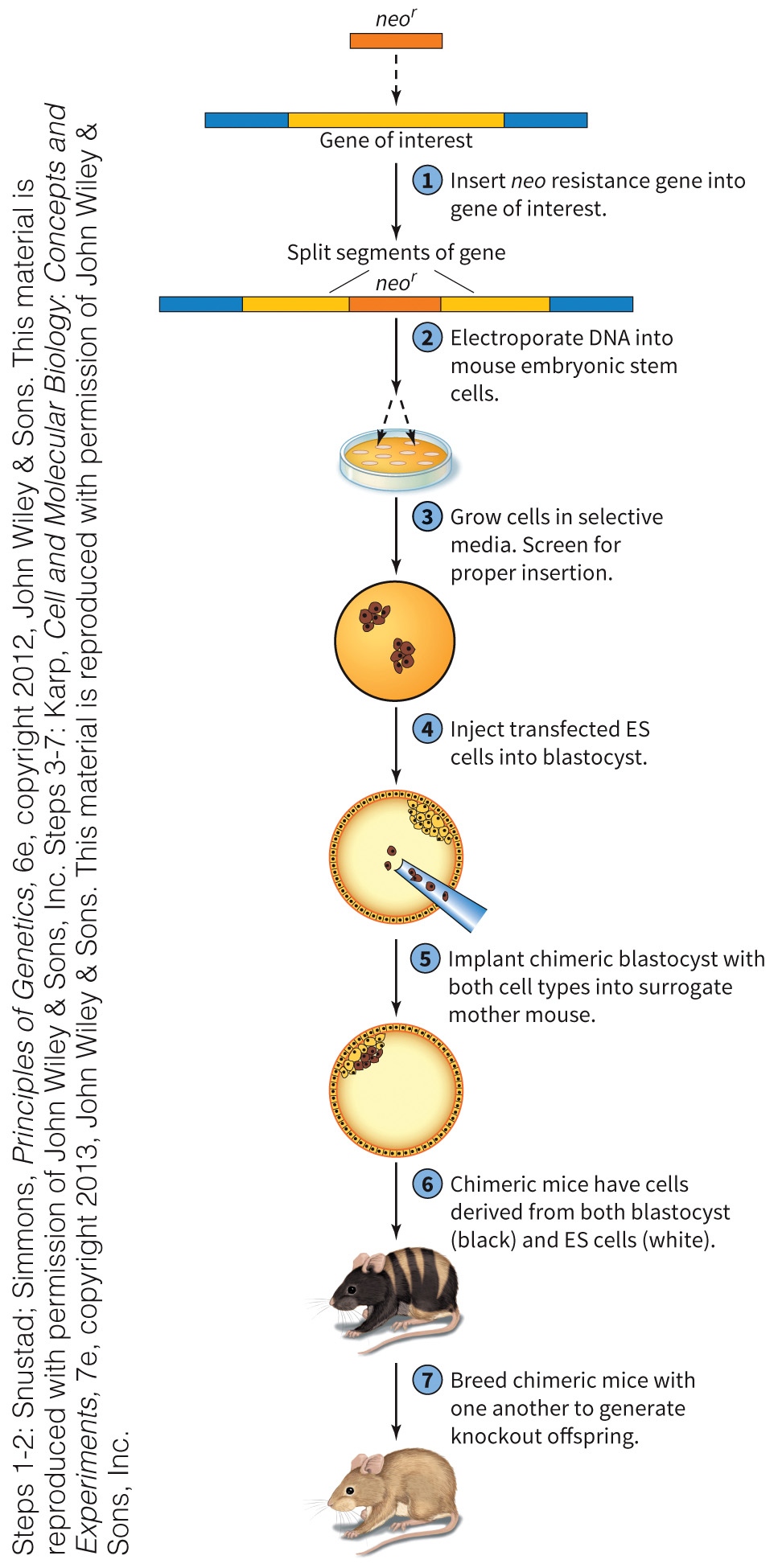
Knockout Organism Defined
Knockout organisms are organisms that can take advantage of homologous recombination to delete a gene.
Knockout Organism Defined
Figure 2.29 Production of knockout mice.
RNA Interference Defined
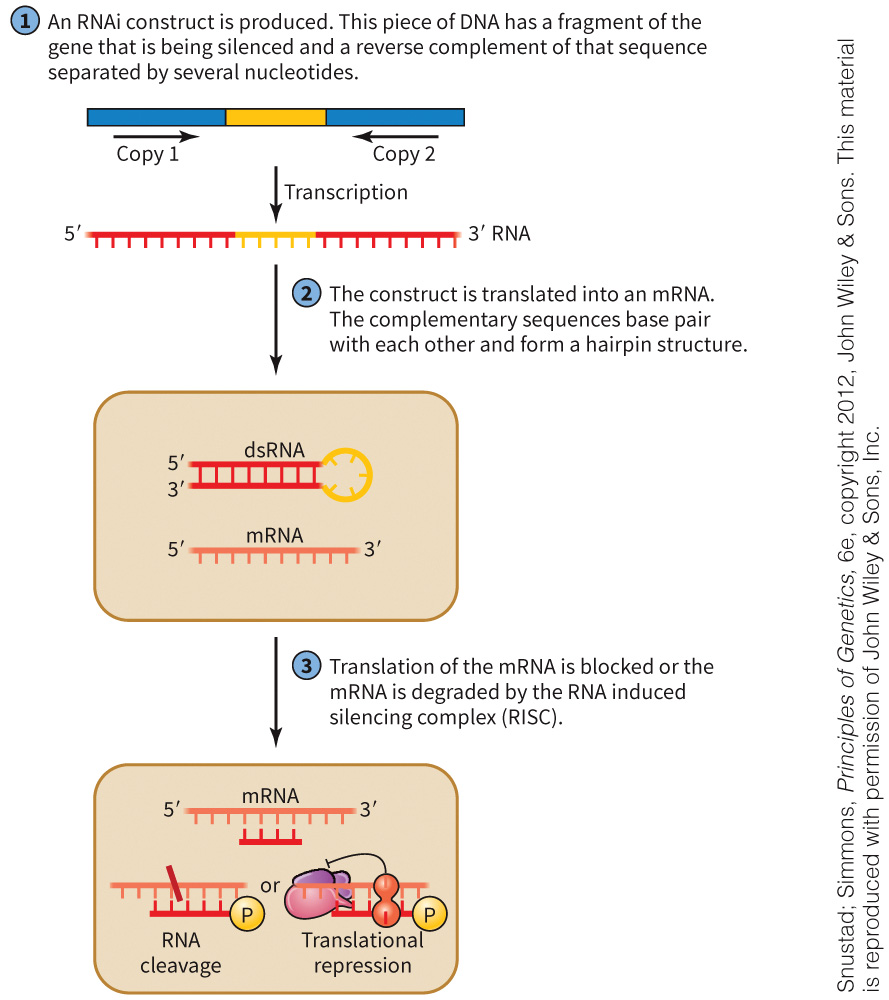
RNA interference (RNAi) is the process in which gene expression is regulated.
Short stretches of mRNA are synthesized that are the reverse complement of the message.
The process is not completely predictable or absolute.
RNA Interference Defined
Figure 2.30 RNAi regulating gene expression.
CRISPR Defined
Clustered Regularly Interspaced Short Palindromic Repeats (CRISPR)
Works in combination with the nuclease Cas9 to cut both strands of DNA and leave them exposed
Bases are added/deleted before being rejoined to cause loss of function
Easy way to edit genes
CRISPR Technology
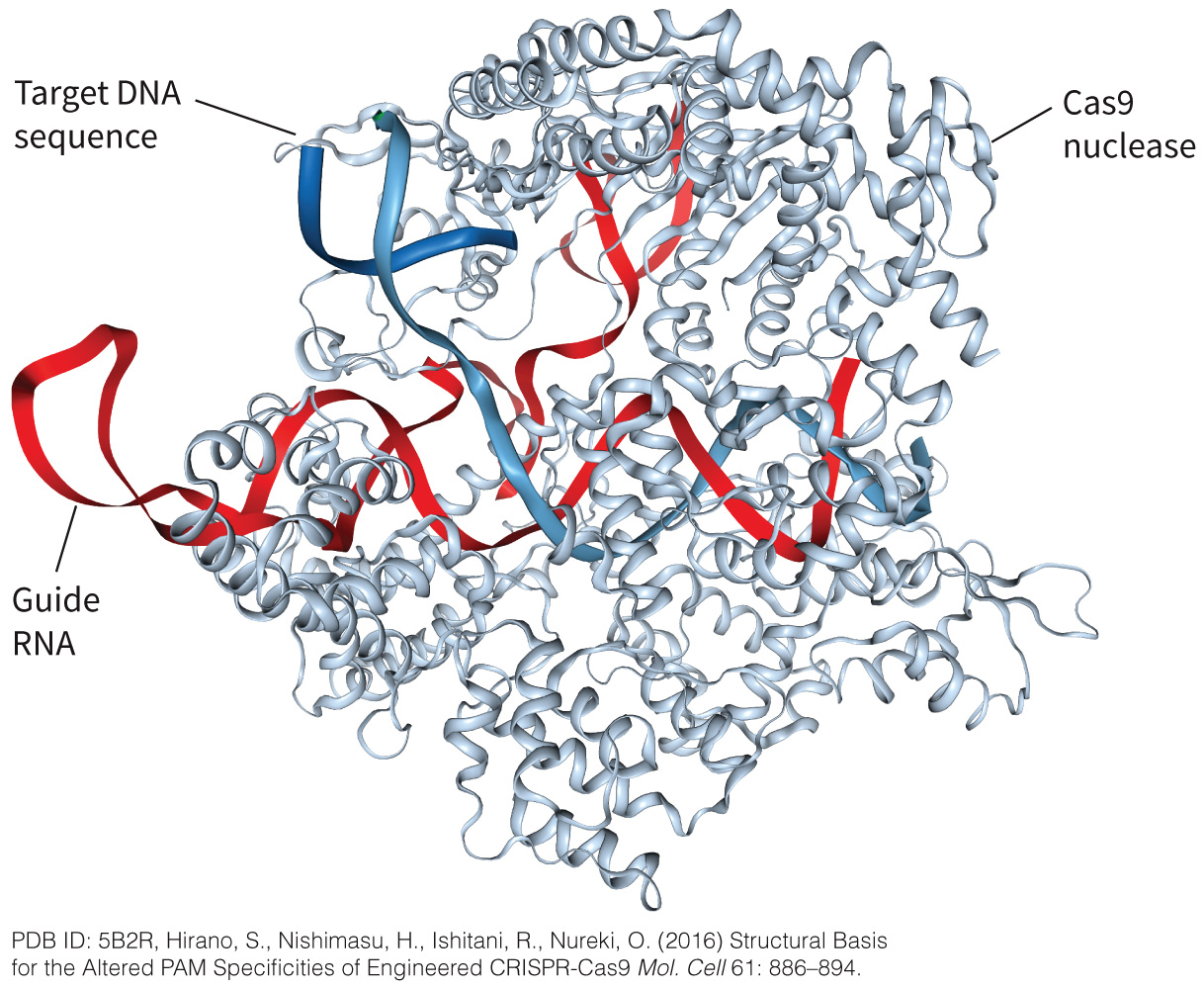
Figure 2.31 CRISPR gene editing.