05 Membranes and an Introduction to Signal Transduction
Outline
5.1 Membrane structure and function
5.2 Signal transduction
Learning Objectives
- Illustrate how the structure of a membrane dictates the functions of a membrane.
- Diagram how signaling pathways act to regulate biological processes.
Section 5.1 Learning Objective
Illustrate how the structure of a membrane dictates the functions of a membrane.
Lipids Defined
Lipids are hydrophobic molecules.
- Polar lipids are found in cell membranes.
- Contain water soluble functional groups
- Can be amphipathic
- Can have both polar and nonpolar components
Plasma Membrane
Contains two leaflets of phospholipids
- Leaflets are diverse and asymmetrical.
This is a fluid (mosaic) structure.
Figure 5.2 Plasma membrane.

The asymmetry helps to maintain the structural integrity of the cell, and it has a role in cell signaling (maintained by flippases).
Permeable to
Types of Lipids
Glycerophospholipids
- Contain glycerol backbone
Phospholipids - Contain phosphate group
Sphingolipids - Sphingosine backbone
Cholesterol - Steroid containing
If cholesterol increases, the fluidity (typically) decreases.
Diffusion Defined
Diffusion is the movement of particles down a concentration gradient.
- Depends on several factors:
- Size
- Shape
- Solvent viscosity
- Temperature
- Illustrates the second law of thermodynamics
Smaller molecules (lipids) move more quickly than larger ones (proteins), and molecules can move more rapidly through a medium with lower viscosity than one with higher viscosity
Active Site Defined
Active site is the location where the enzyme binds to the substrate and catalysis occurs.
- Located on the surface of the enzyme
- Is often in a cleft, pocket, or trench
- Generally formed by residues on turns or coils
Components of Cell Membranes
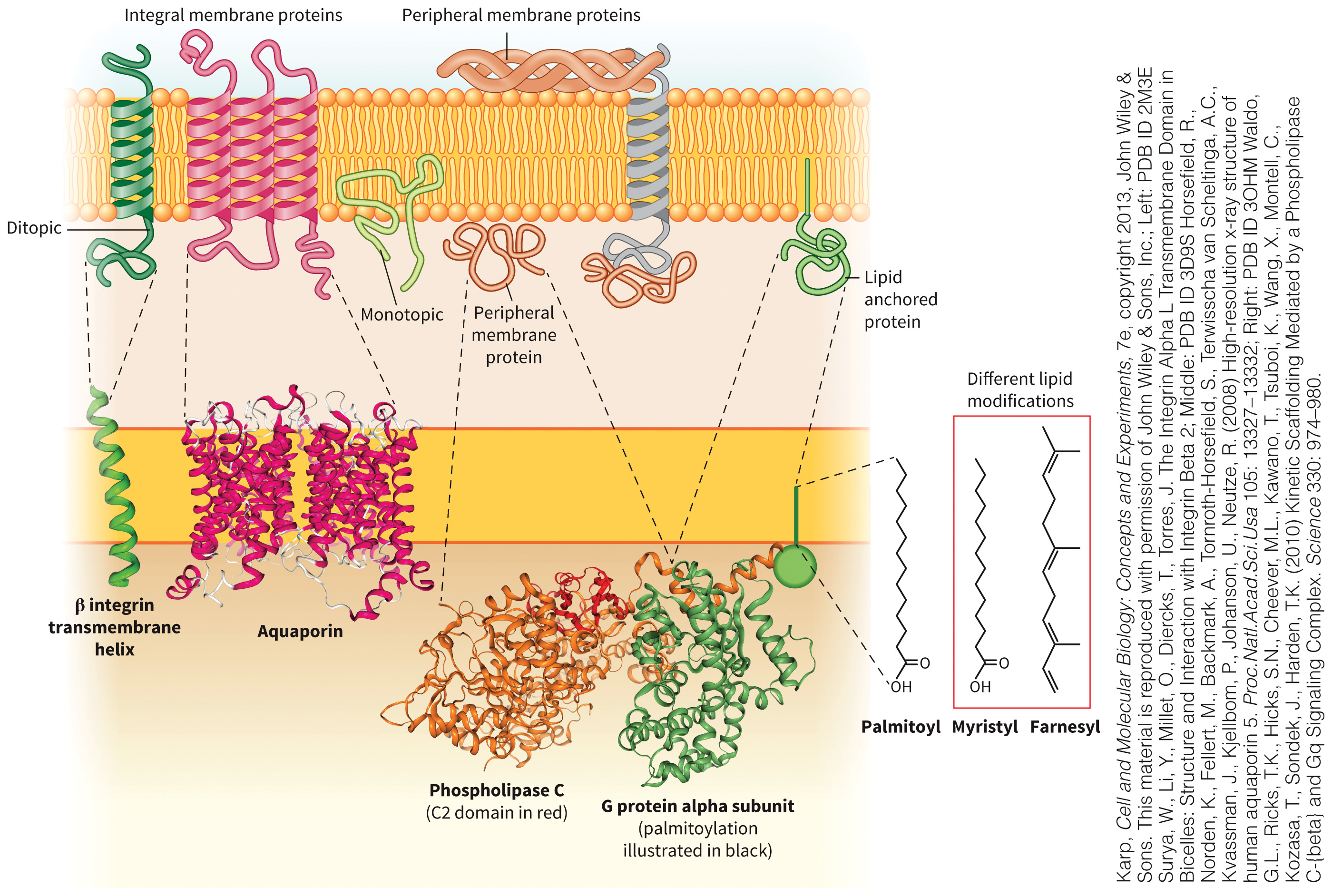
Figure 5.3 Membrane proteins and the plasma membrane.
Integral Membrane Proteins
Proteins embedded in the plasma membrane
Can be subclassified as:
- monotopic
- ditopic (transmembrane)
Seven-Transmembrane Receptors
An example of membrane-spanning proteins
Contain seven transmembrane α helices that span the membrane
Examples include:
- integrins
- aquaporins
Peripheral Membrane Proteins
Associated with the surface of the membrane
Can be linked through a hydrophobic anchor
Not embedded in the plasma membrane
Can be dissociated from the membrane by:
- changes in pH
- salt
- urea
- guanidinium hydrochloride
Gα subunit is associated with the plasma membrane through a hydrophobic anchor
Transporters
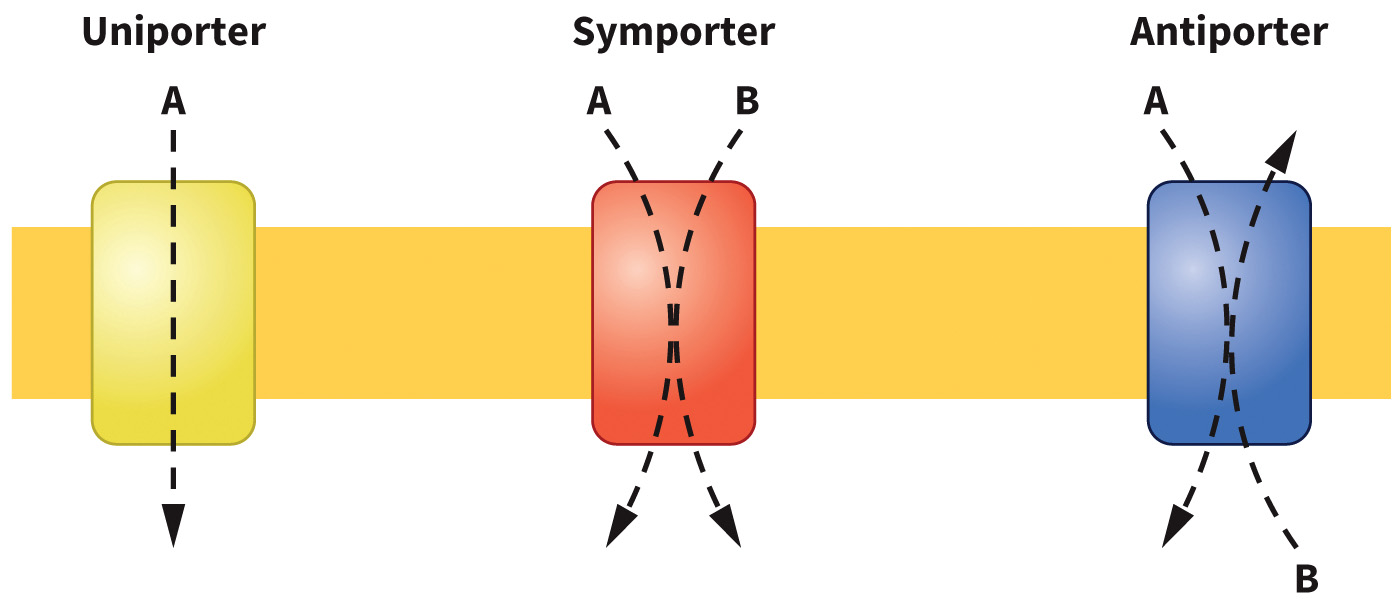
Methods for molecules to pass in and out of the cell or organelle
Three systems are involved
- Uniporter
- Symporter
- Antiporter
Example of Transporters
Figure 5.4A Transporters, pumps, and channels.
Active Transport
Energy is required.
Molecules move up a concentration gradient.
- Can be primary or secondary
- Primary—ATP is used directly to drive ion movement
- Secondary—gradient pumps a second molecule across membrane
Passive Transport
Molecules move down a concentration gradient.
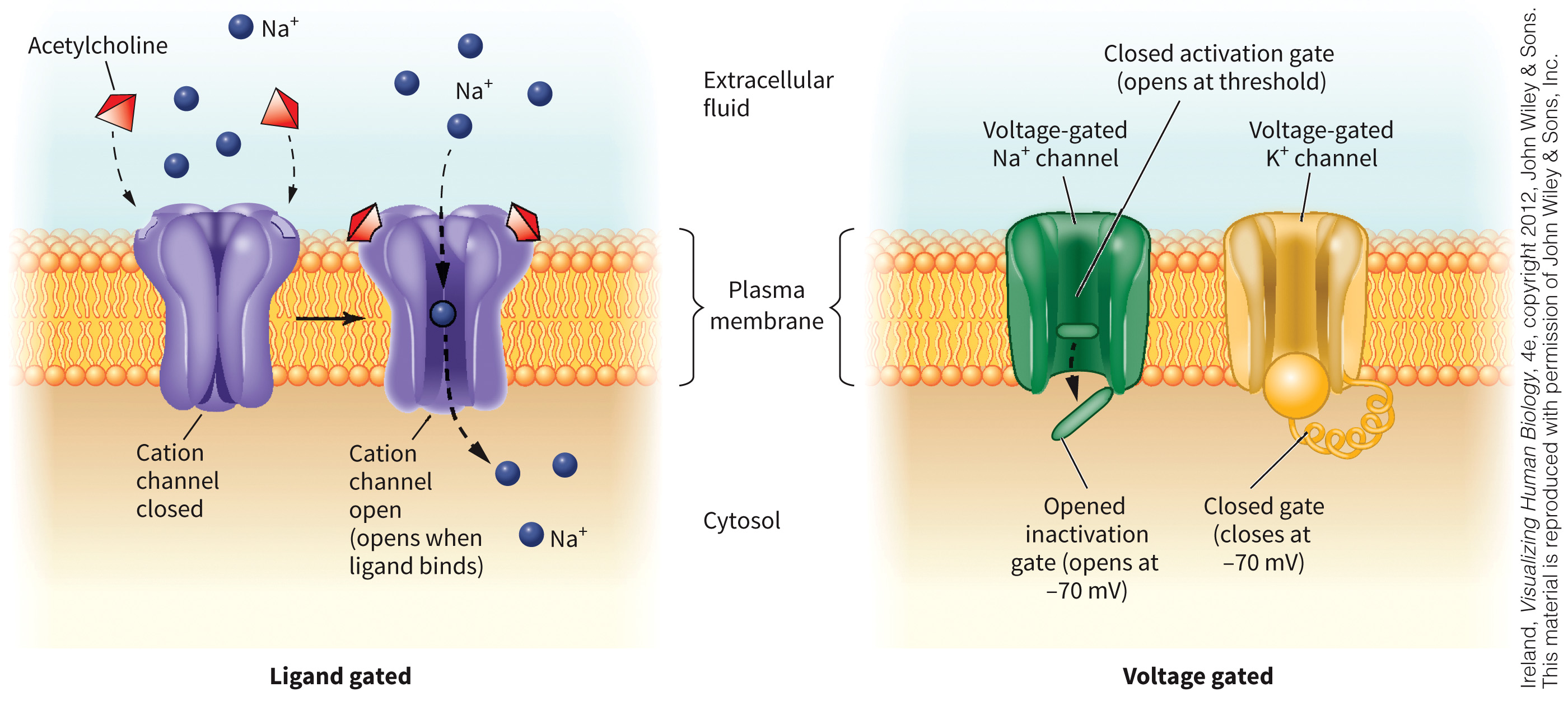
Can occur through channels
Channels
Can be gated or regulated
Figure 5.4B,C Transporters, pumps, and channels.
Osmosis Defined
The movement of solvent through a semipermeable barrier from a region of low to high solute concentration
Lipid Rafts Defined
Lipid rafts are structures composed of cholesterol and sphingolipids that aggregate in the plasma membrane.
They are involved in cell signaling and tethering cell membranes.
Lipid Rafts
Figure 5.5 Other aspects of membrane biology.

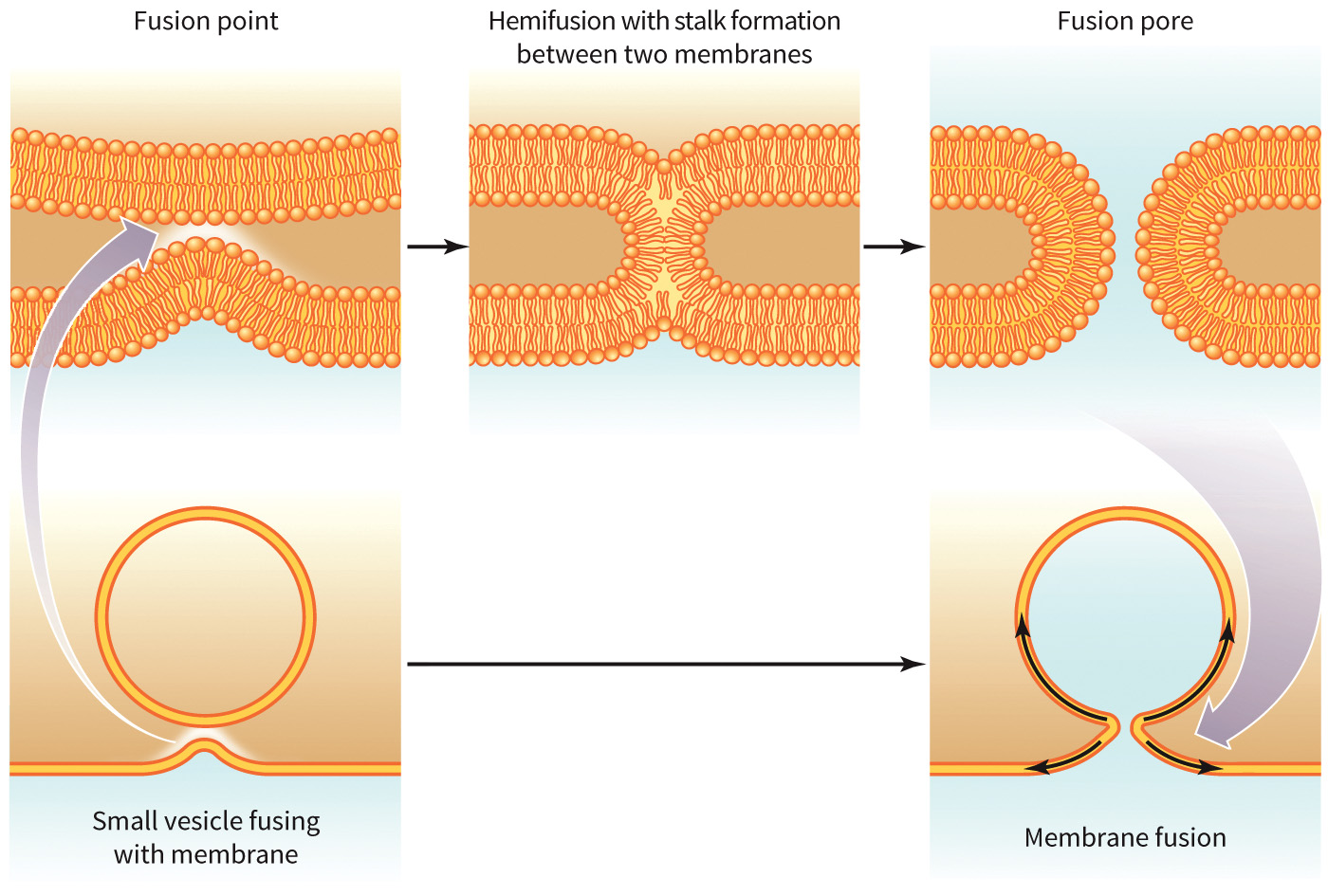
Membrane Fusion and Budding
Figure 5.7 Fusion and budding.
Section 5.2 Learning Objective
Diagram how signaling pathways act to regulate biological processes.
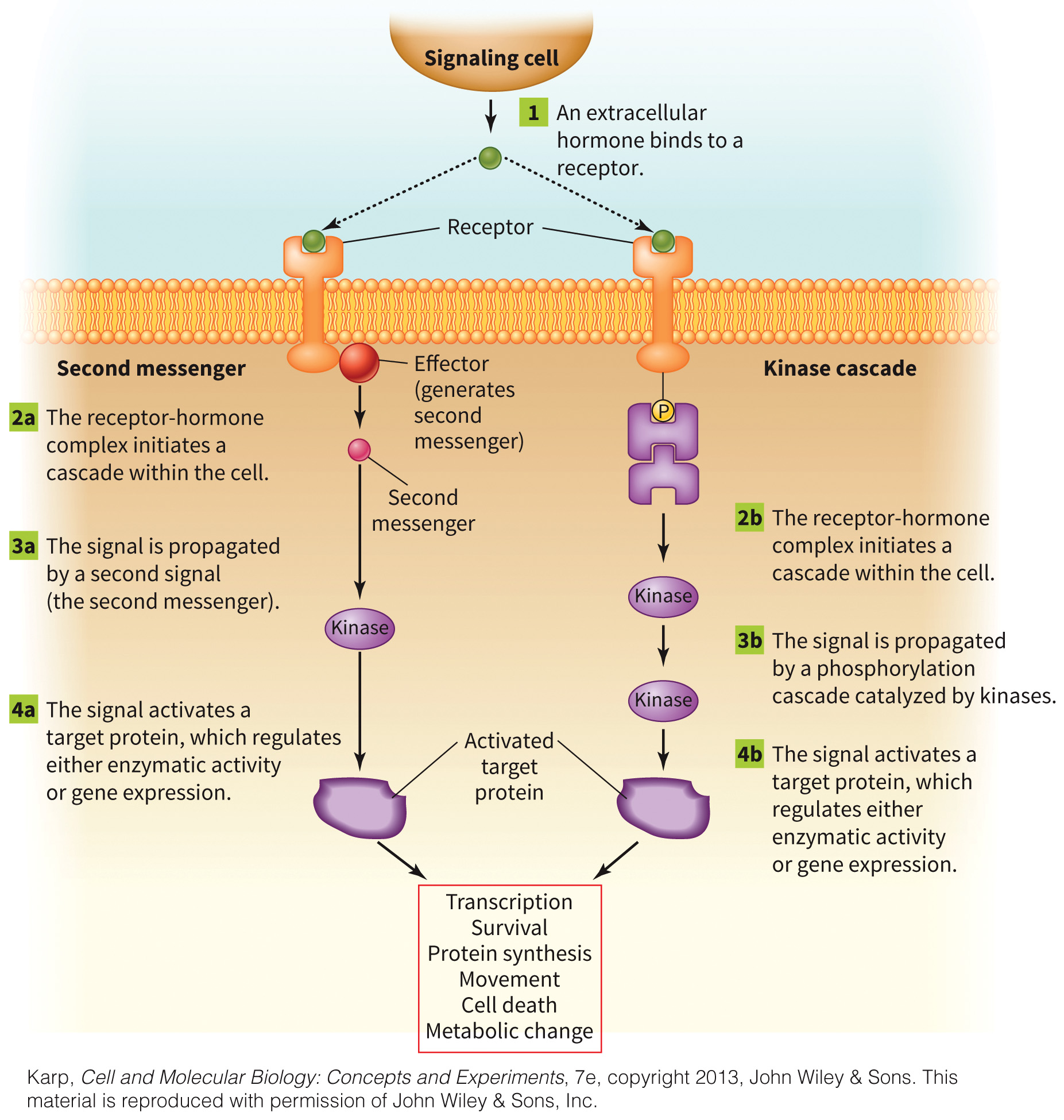
Signal Transduction (Cascade)
Chemical signal binds to a receptor
- Conformational change occurs.
Second messenger is produced - Signal is amplified
Activates or inhibits protein kinases
Chemical signal can be the hormone/neurotransmitter
Signal Transduction Diagram
Figure 5.8 Signal transduction fundamentals.
Protein Kinase A (PKA)
Contains two catalytic and two regulatory subunits
Regulatory subunits contain two cAMP binding sites
Involved in several cellular pathways including:
- lipolysis
- glycogen metabolism
- neurotransmission
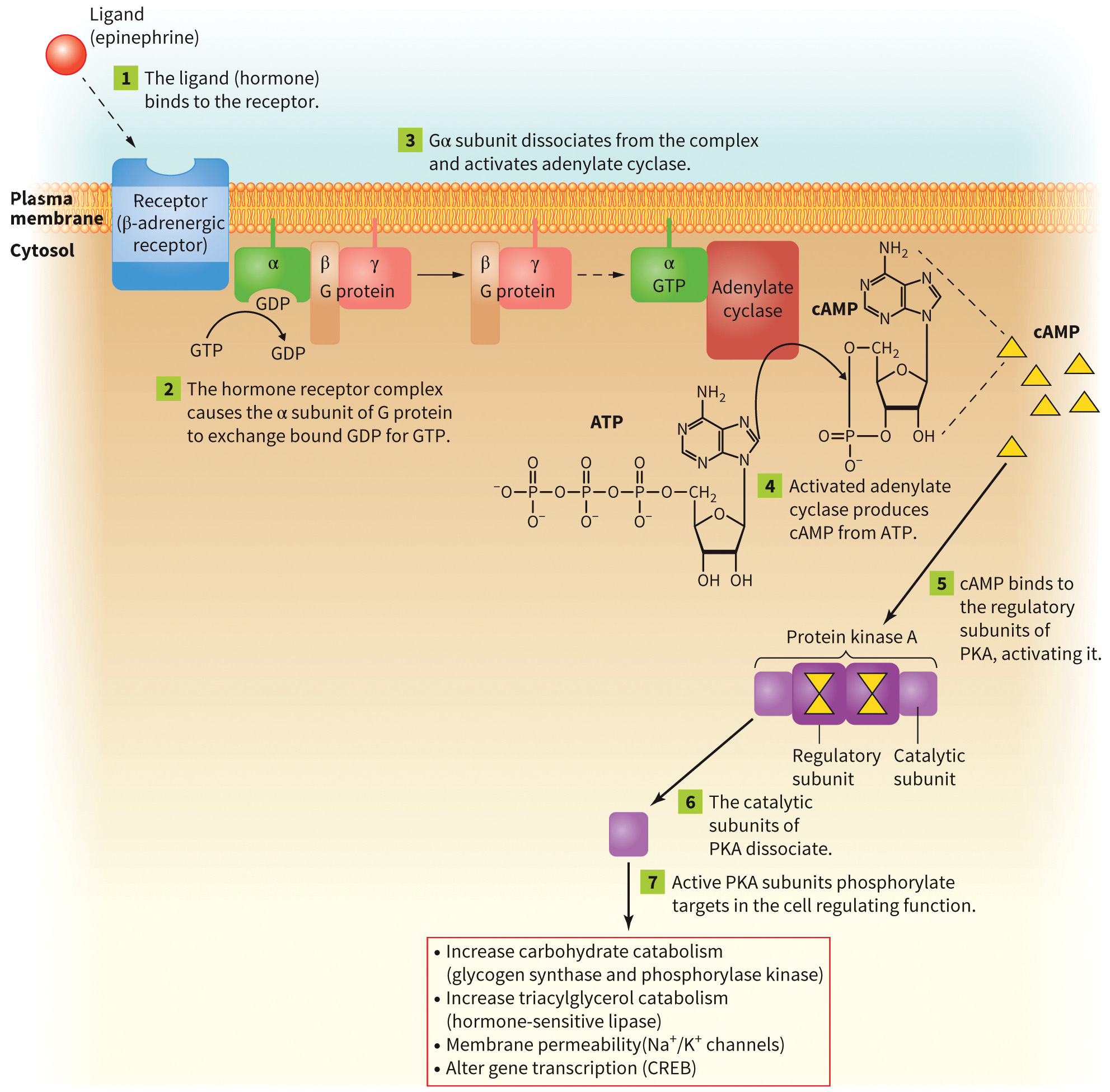
PKA Signaling Pathway
Figure 5.9 PKA signaling pathway.
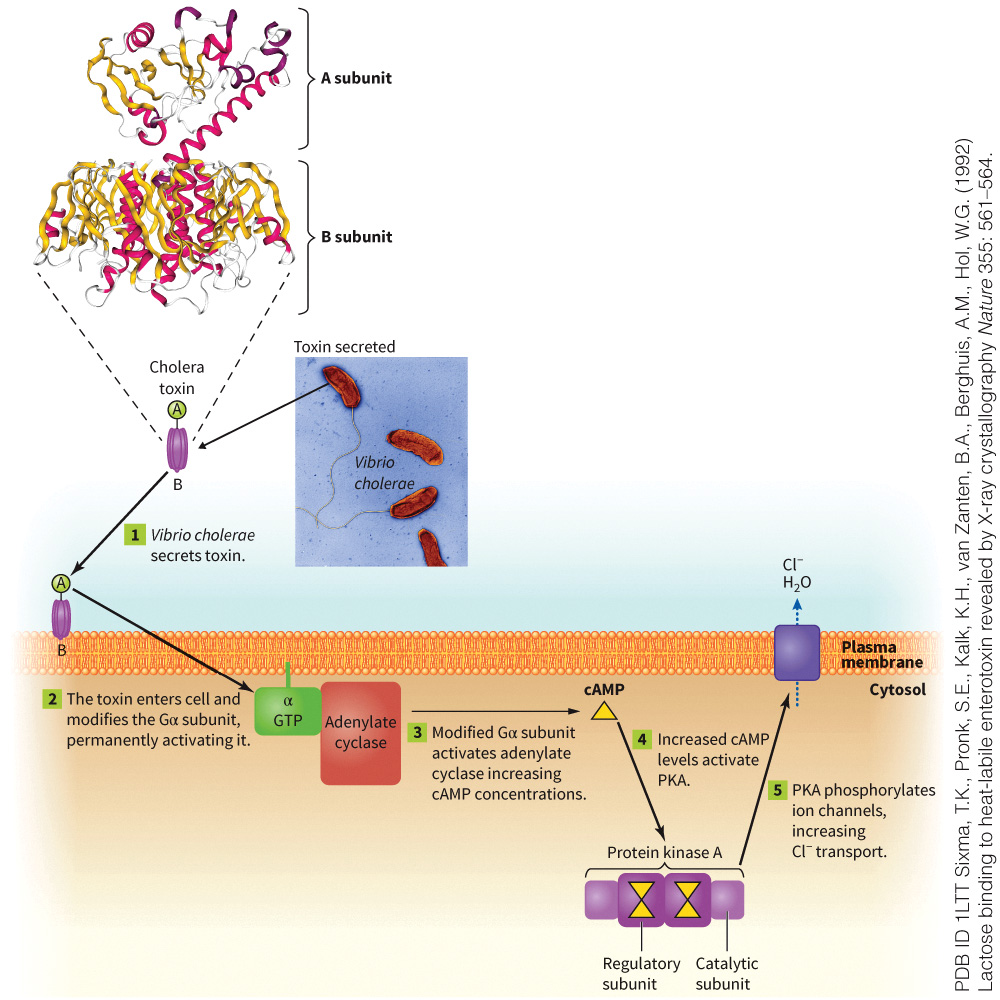
Cholera Toxin: A G Protein Cascade
Figure 5.10 Cholera toxin.
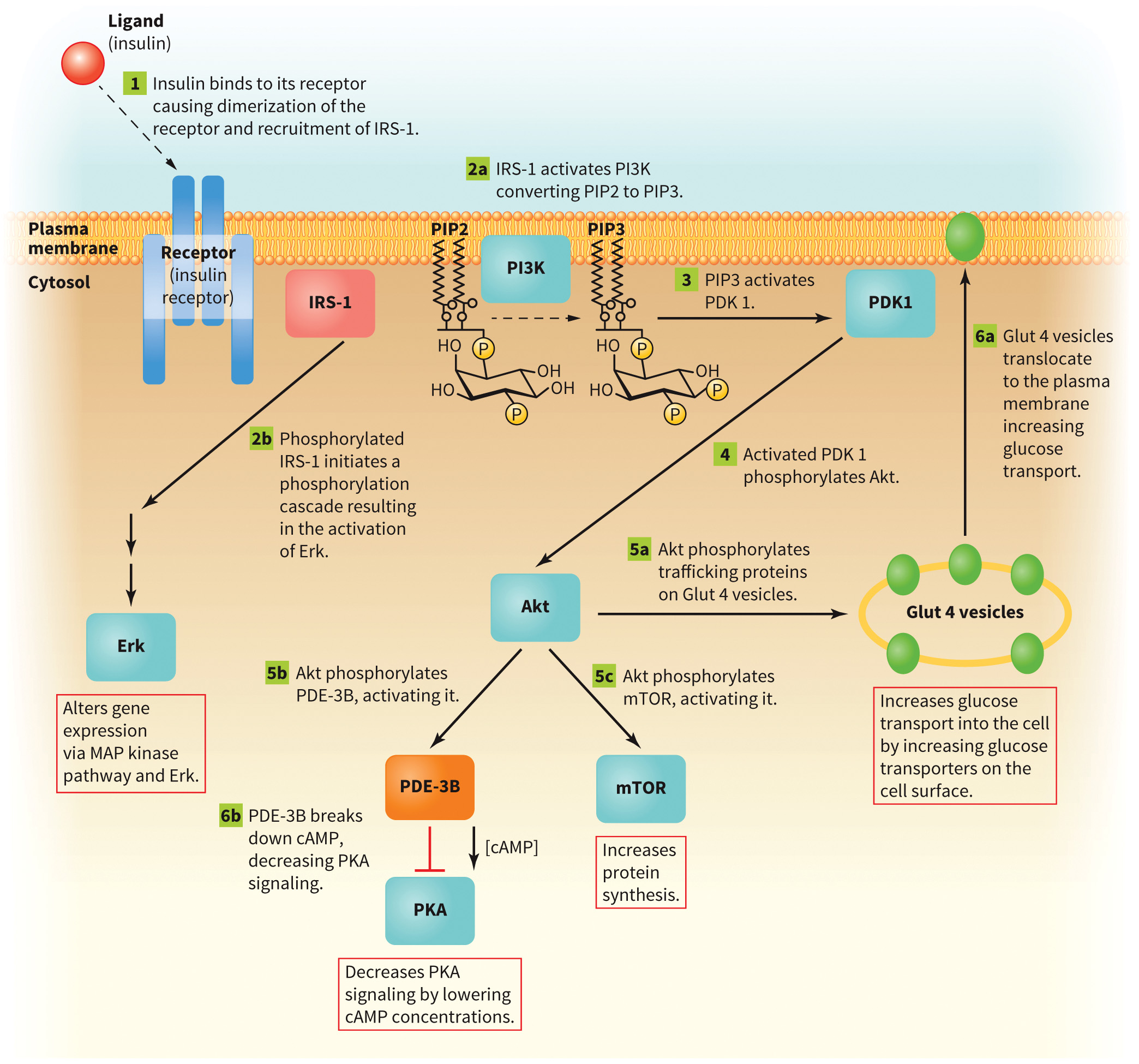
Insulin
Pancreatic hormone
Plays an integral role in glucose metabolism and diabetes
An example of a receptor tyrosine kinase
Also a growth factor
Insulin Signaling Pathway
Figure 5.11 Insulin signaling pathway.
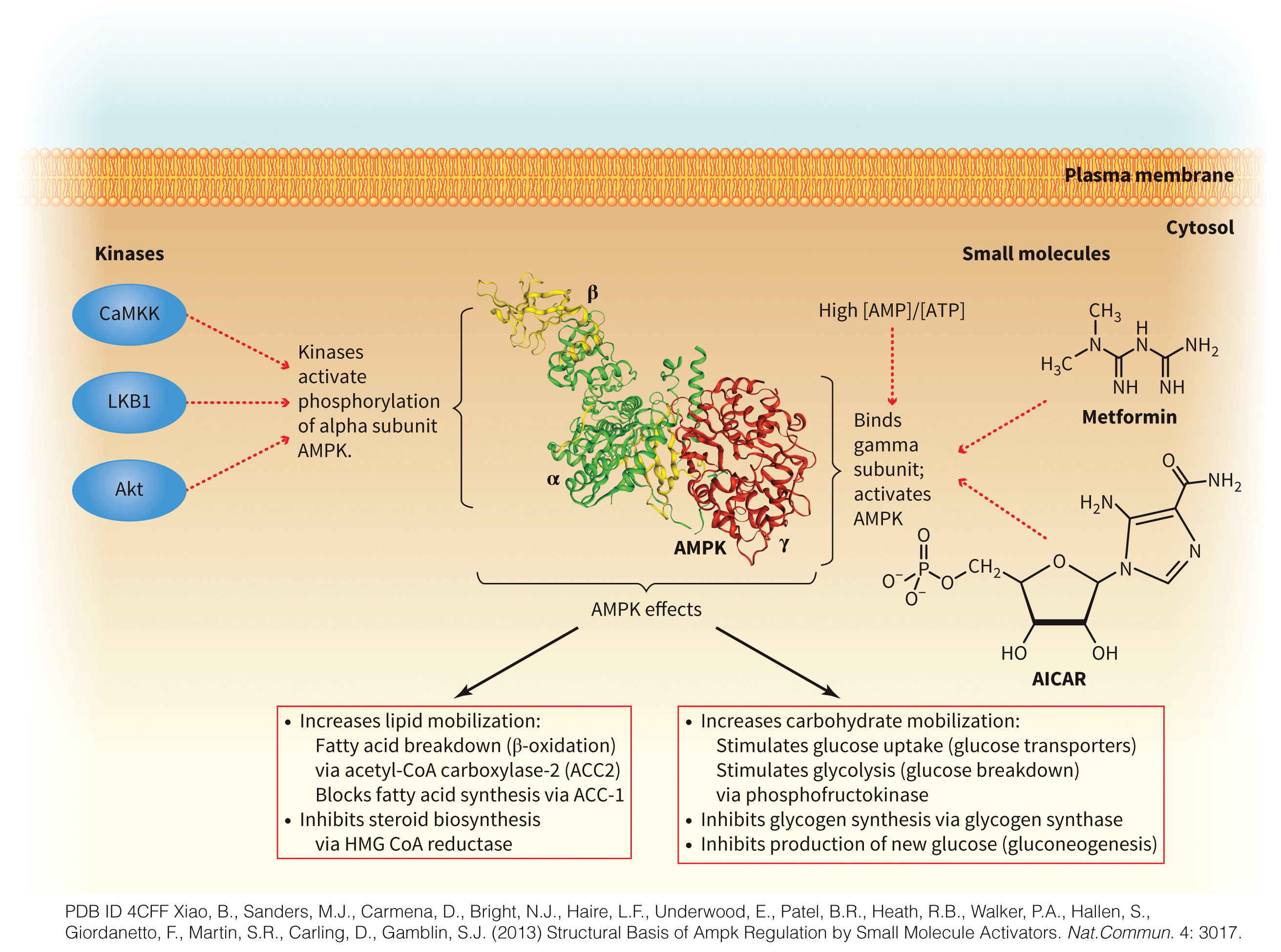
AMP Kinase
Cytosolic kinase
Activated by binding of AMP or phosphorylation by kinases
Acts as an energy sensor
Regulated by PKA, insulin, and calmodulin kinase kinase
Phosphorylates liver kinase B1
ACIAR is a AMPK agonist
AMP Kinase Signaling Pathway
Figure 5.12 AMP kinase signaling.